

Butler Building
HURRICANE DAMAGE RECOVERY
Restoring Coastal Industrial Infrastructure
Hurricane events present a unique set of challenges for Butler-style metal buildings. The combination of high-velocity wind loads, projectile impact, and saltwater inundation requires a specialized engineering approach that standard general contractors often overlook.
Our disaster recovery team is mobilized within hours of landfall. We focus exclusively on industrial structural integrity, ensuring that damage to primary frames, secondary members, and building envelopes is identified and remediated before catastrophic failure occurs.
CRITICAL WARNING
Saltwater intrusion and high-wind shear require immediate structural stabilization within 48-72 hours to prevent irreversible corrosion and frame failure. Delaying inspection can lead to total loss of asset value.
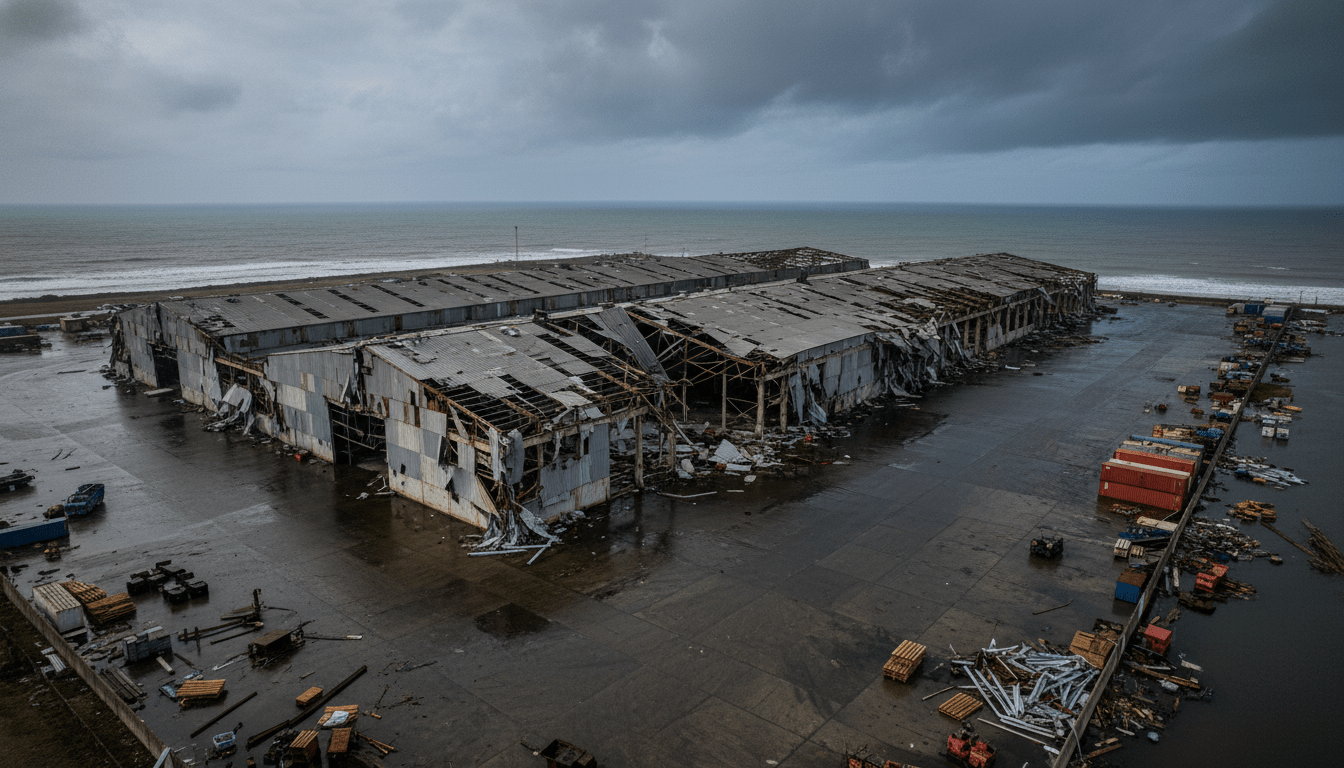
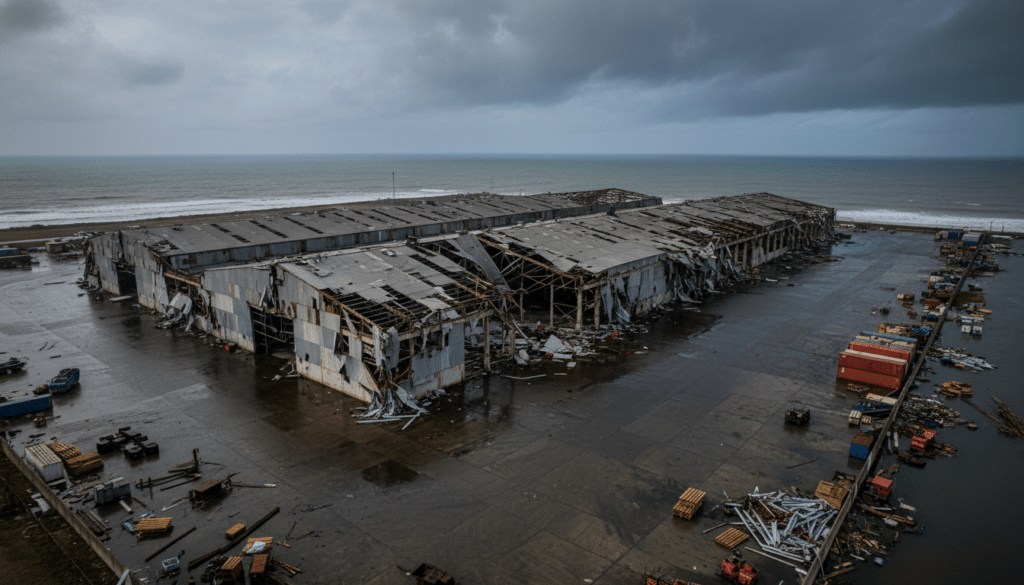
What a Hurricane Does to a Commercial Steel Building
Hurricanes bring a combination of high winds, heavy rainfall, storm surges and flooding all of which can have devastating impacts on commercial and industrial buildings. The cost of rebuilding after a storm can be astronomical and downtime can be detrimental to business operations.
Unlike tornadoes that create localized intense damage hurricanes deliver sustained high-velocity winds over extended periods creating cumulative fatigue loading on roof systems, wall connections and envelope components that can cause progressive failures hours after the storm makes landfall. Storm surge flooding adds simultaneous hydrostatic pressure to foundation and wall systems while heavy rainfall finds every compromised fastener hole, seam and penetration in the building envelope creating widespread interior water damage that compounds structural and systems losses.
With only 20% of commercial properties in high-risk zones carrying flood insurance uninsured losses can cripple operations and businesses without adequate coverage face significant risk of not reopening after a major hurricane. Comprehensive post-hurricane documentation and insurance coordination from day one is critical for protecting your recovery options.
Signs Your Building Has Sustained Fire Damage
Foundation Scour & Erosion
Flooding and storm surge can erode soil around foundations, reducing support and threatening structural stability.
Sub-Structural Racking
Extreme wind forces can cause the building frame to shift or twist, affecting alignment and structural performance.
Wind-Lift Roof Deformation
High winds can deform roof panels and connections, compromising weathertightness and structural integrity.
Impact-Driven Debris Piercing
Windborne debris can puncture roof and wall systems, creating openings for water intrusion and further damage.
Saltwater Siding Corrosion
Coastal storm exposure can accelerate corrosion of metal panels, fasteners, and building components.
Sealant and Gasket Breach
Hurricane conditions can damage seals and gaskets, allowing moisture penetration into the building envelope.
Uplift-Strained Connection Bolts
Sustained uplift forces can overstress bolts and structural connections, weakening critical load paths.
Hydrostatic Pressure Slab Cracking
The Hurricane Recovery Protocol
Emergency Safety Assessment and Envelope Securing
Emergency envelope and roof repairs are a critical post-hurricane recovery step to stop further water intrusion and stabilize the structure. Our rapid-response team deploys immediately to conduct a structural safety assessment, identify all open exposures in the building envelope and deploy emergency tarping, boarding and temporary structural shoring to prevent ongoing weather exposure from compounding hurricane damage before formal reconstruction begins.
Structural Engineering Assessment
A licensed structural engineer inspects all primary and secondary framing members for hurricane wind-induced deformation, connection failures and foundation movement. Contacting a structural engineer early in the hurricane damage assessment process is crucial for accurate reporting, fair insurance settlements and timely repairs. Factory engineering data for your specific Butler building system is used to validate which components can be safely retained and which require replacement before reconstruction proceeds.
Water Intrusion and Flood Mitigation
It is crucial to implement immediate water removal efforts to minimize damage to equipment and inventories of your commercial building. This calls for preventing roof leaks from causing unnecessary losses and removing tainted debris and drywall as quickly as possible. Industrial dehumidifiers and air movers are deployed throughout the facility to extract moisture from insulation, liner panels, interior surfaces and structural cavities preventing the mold growth that can render a facility unusable within days of a hurricane event.
Insurance Documentation and Claim Support
Our engineering team produces a complete stamped structural assessment, photographic damage documentation and line-item component manifest covering every damaged element of your Butler building system from primary framing to roof panels, wall panels, accessories and interior components. We coordinate directly with your insurance adjuster to answer technical questions, provide supplemental engineering data and accelerate claim approval for the full scope of your hurricane recovery project.
Structural and Envelope Reconstruction
Damaged primary and secondary structural members are replaced with genuine OEM Butler components sourced directly from our authorized wholesale supply network. Roof and wall panels are replaced with profile-matched Butler panels in the correct gauge and Butler-Cote finish. Rebuilding uses reinforced connections and high-capacity components to improve wind resistance and structural performance against future hurricane events.
Upgrade to Hurricane-Resistant Performance
Hurricane recovery is an opportunity to upgrade your Butler building’s wind resistance performance beyond its original design specification. IBHS data shows that code-compliant metal roofs suffered the least hurricane-related damage — proof that even temporary fixes should aim for code-plus materials. We deploy continuous-seam standing seam roof systems, upgraded anchor bolt details and impact-resistant envelope components that give your rebuilt facility superior hurricane resistance compared to its pre-storm condition.
Final Inspection and Certificate of Occupancy
All required structural, roofing, envelope and occupancy inspections are coordinated with your local building department throughout the reconstruction process. Upon completion of all inspections and final agency sign-off your facility receives a Certificate of Occupancy confirming full code compliance and clearance for operations.
Critical Safety Notice for Building Owners
Do not allow personnel to enter a damaged structure without professional structural assessment. Maintain a safe perimeter and contact emergency services if the building is at risk of collapse. Our emergency teams are trained in OSHA safety protocols and structural stabilization.
Request Emergency Structural Assessment
Ready to Build Your Butler Project?
Download the Spec Sheet
Fill in the fields below to instantly download your spec sheet. A backup copy will also be sent to your email.