
Butler Building
FLOOD DAMAGE RECOVERY
Engineering-Led Water Recovery
Butler Building Disaster Recovery specializes in the complex interplay between moisture and industrial steel structures. Traditional drying methods often fail to address latent moisture trapped in fluted decks and insulation cores.
Our team utilizes moisture mapping and structural modeling to identify compromised load paths, preventing accelerated base plate oxidation and long-term metal fatigue caused by hydrostatic pressure and silt saturation.
CRITICAL WARNING
Structural mold growth can begin within 24-48 hours of water exposure. Immediate industrial-grade dehumidification and antimicrobial treatment are mandatory to prevent catastrophic facility loss.
What a Flood Does to a Commercial Steel Building
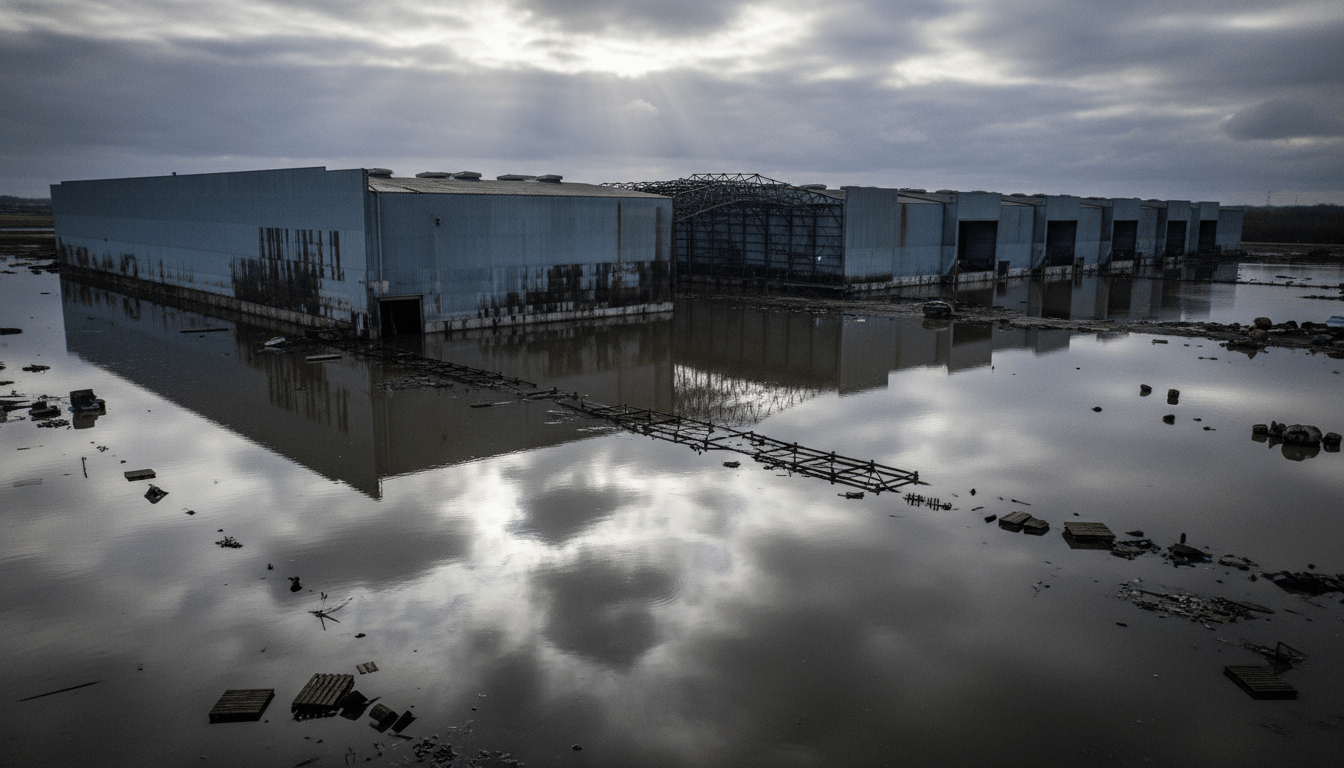
Commercial steel buildings have inherent advantages over wood-frame and masonry structures in flood events. Steel’s inorganic nature means the structural materials that make up a metal building are less likely to experience mold growth and even if they do they will not corrode in the way wood does. The non-porous steel structure remains strong even when faced with standing water.
However the non-structural components of a Butler building system are highly vulnerable to flood damage. Insulation saturated with floodwater loses virtually all of its thermal performance and becomes a persistent source of moisture and mold spores until completely removed and replaced. Interior liner panels absorb moisture, separate from supporting framing and create conditions for mold growth behind finished surfaces. Electrical systems, HVAC equipment, doors and windows at or below the flood elevation are typically a complete loss in any significant flooding event.
The key to limiting flood damage losses in a commercial steel building is speed. Every hour that standing water remains in contact with insulation, interior components and electrical systems increases the scope and cost of your recovery. Contact us immediately after the flood event recedes and our rapid-response team will deploy to begin water extraction and mitigation while the structural assessment and insurance documentation proceed simultaneously.
Signs Your Building Has Sustained Fire Damage
Substrate Silt Contamination
The accumulation of fine dirt, mud, or sediment on a base surface, which prevents proper adhesion of coatings, sealants, or new structural layers.
Hidden Insulation Moisture
Water trapped beneath outer protective layers or membranes within insulation material, reducing thermal efficiency and causing unseen structural rot.
Hydrostatic Pressure Cracking
Fractures in concrete or masonry caused by the continuous, heavy force of shifting or rising groundwater pressing against the foundation.
Sealant Breakdown
The physical degradation, cracking, or peeling of protective joints and caulking, allowing water and air to compromise the structure.
Accelerated Base Plate Oxidation
Rapid rusting and corrosion of a structure’s foundational metal load-bearing plates, typically caused by prolonged exposure to moisture or harsh chemicals.
Foundation Scour & Erosion
The washing away of supporting soil and sediment from underneath or around a foundation, usually driven by moving water, leading to structural instability.
Electrical Conduit Infiltration
Water or debris leaking into protective electrical piping, creating severe risks of short circuits, hardware damage, or electrical fires.
Microbiological Growth (Mold)
The Flood Recovery Protocol
Emergency Water Extraction and Site Securing
Our rapid-response team deploys immediately with industrial pumping equipment to extract standing water from the building interior and establish controlled drying conditions throughout the affected structure. Every hour of delay in water extraction increases the depth of moisture penetration into insulation, wall cavities and structural connections — directly increasing the scope and cost of your flood recovery project.
Structural Inspection and Safety Assessment
A licensed structural engineer inspects all primary and secondary framing connections, anchor bolt locations and foundation slab conditions for flood-induced corrosion, connection deterioration and soil settlement that may have compromised the structural system during the flooding event. Anchor bolt connections and base plate details are particularly susceptible to accelerated corrosion from prolonged water immersion and must be formally evaluated before the building is re-occupied.
Insulation and Interior Component Removal
All saturated insulation, interior liner panels, damaged wall and ceiling components and moisture-contaminated materials are completely removed from the building interior. If moisture makes its way into insulation or if physical damage occurs to the structure’s exterior elements repair work tends to be quick and fairly affordable when addressed promptly. Complete removal of all saturated materials is the only effective way to stop the moisture source that drives ongoing mold growth and structural deterioration.
Mold Remediation and Drying
Industrial dehumidifiers, air movers and HEPA air scrubbers are deployed throughout the facility to reduce interior relative humidity to levels that stop active mold growth and dry all structural surfaces before reconstruction begins. If active mold colonization has occurred on structural components professional mold remediation is conducted to restore safe interior air quality before any new insulation or interior components are installed.
Insurance Documentation and Claim Support
Our team produces a complete photographic damage assessment, structural engineer’s report and line-item replacement manifest covering every flood-damaged component of your Butler building system from structural connections and insulation to interior liner panels, electrical systems and mechanical equipment. Comprehensive documentation from an authorized Butler Builder carries significant weight with insurance adjusters in establishing the full scope and cost of your flood recovery claim.
Complete Building Restoration
New insulation systems, interior liner panels and all flood-damaged building components are installed using genuine OEM Butler components and materials. Damaged electrical systems, HVAC equipment, doors and windows are replaced with new code-compliant components. The completed restoration returns your Butler building to full performance with upgraded moisture resistance details at flood-vulnerable locations to improve your building’s resilience in future flood events.
Final Inspection and Certificate of Occupancy
All required inspections are coordinated with your local building department and health authority throughout the restoration process. Upon completion of all inspections and final agency clearance your facility receives a Certificate of Occupancy confirming full code compliance and clearance for safe occupancy and operations.
Critical Safety Notice for Building Owners
Do not allow personnel to enter a damaged structure without professional structural assessment. Maintain a safe perimeter and contact emergency services if the building is at risk of collapse. Our emergency teams are trained in OSHA safety protocols and structural stabilization.
Request Emergency Structural Assessment
Ready to Build Your Butler Project?
Download the Spec Sheet
Fill in the fields below to instantly download your spec sheet. A backup copy will also be sent to your email.