

Butler metal building replacement parts are the components used to restore, repair, or upgrade existing Butler-brand steel structures. Whether you’re dealing with damaged panels, aging trim, or failing fasteners, sourcing the right parts quickly is the difference between a minor repair and a costly structural problem.
Maintaining a Butler building isn’t just about aesthetics. These structures are significant investments, and every component plays a role in keeping the building watertight, structurally sound, and code-compliant. Knowing what parts you need and where to find them saves you time, money, and a lot of frustration.
Why Butler Building Components Aren’t One-Size-Fits-All
Butler Manufacturing has been producing pre-engineered metal buildings for well over a century. Their product lines have evolved considerably over the decades, which means a panel system from the 1980s may differ substantially from one produced in the 2000s or 2010s. This matters because not every “universal” metal building part will fit a Butler structure.
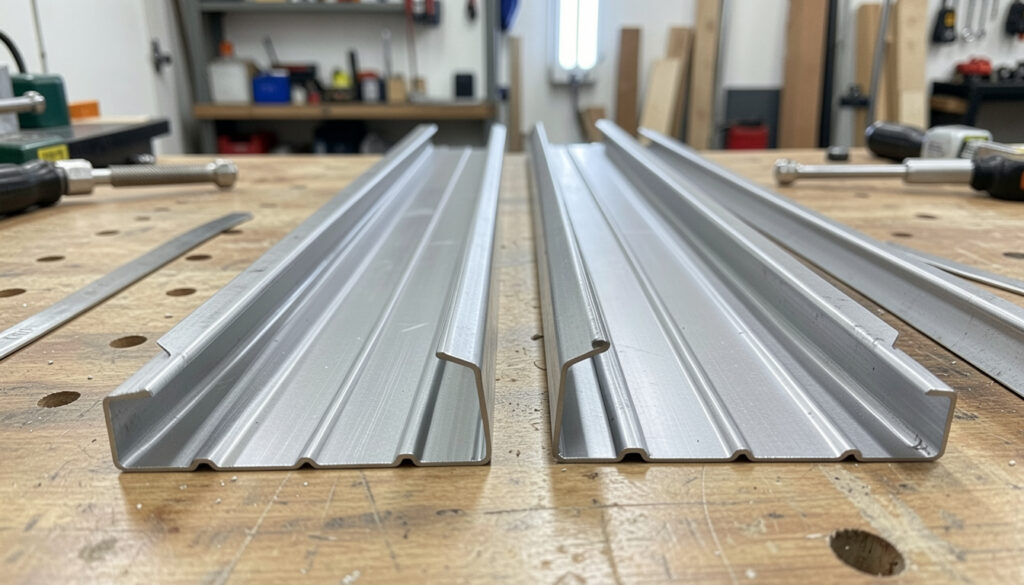
Butler buildings use proprietary profiles, connection systems, and fastener patterns in many cases. A replacement panel that’s close in size but off by a quarter inch in the rib profile won’t seal properly, which leads to leaks, energy loss, and potential warranty issues if any coverage is still in place.
When sourcing Butler building parts, you need to match:
- Panel profile and rib height
- Panel width and gauge (thickness)
- Trim style and color
- Fastener type and pattern
- Insulation system compatibility
Getting all five of these right is what separates a repair that lasts 20 years from one that fails in the first hard rain.
The Most Commonly Replaced Butler Building Parts
Some components simply wear out faster than others. Understanding which parts fail most often helps you anticipate repairs before they escalate.
Roof and Wall Panels
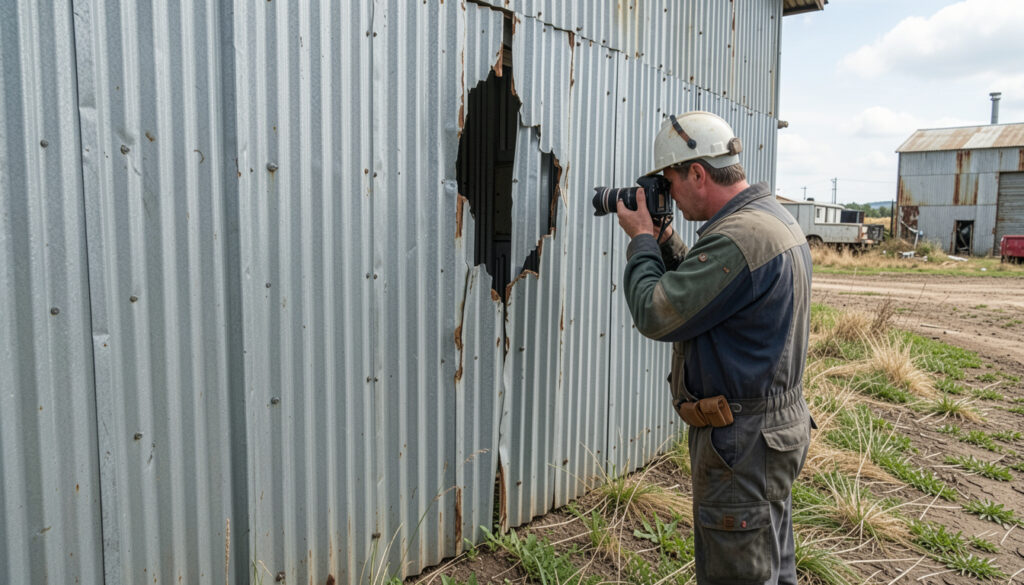
Panels are the most visible and most replaced components on any metal building. Hail, falling debris, corrosion, and impact damage all compromise panel integrity. When one panel is breached, water infiltration can damage insulation, interior finishes, and even structural framing if left unaddressed.
Trim and Flashing
Trim pieces seal transitions between panels, walls, and rooflines. They’re often overlooked until they fail. Ridge caps, eave trim, gable trim, and base trim all take a beating from UV exposure, thermal cycling, and wind. Replacing trim that’s cracked, bent, or separated is one of the highest-value, lowest-cost repairs you can make.
Fasteners and Closures
Fasteners on metal buildings are designed to handle expansion and contraction from temperature changes. When they strip, back out, or corrode, the panel attachment point becomes a leak point. Foam closures, which seal the gap between panels and purlins, also degrade over time and need periodic replacement.
Gutters and Downspouts
Water management is critical on large metal buildings. Undersized, damaged, or clogged gutters cause water to back up against walls and eaves, accelerating corrosion and creating foundation drainage issues.
Doors and Hardware
Sliding doors, walk doors, and overhead door hardware are subject to constant mechanical use. Hinges, latches, door frames, and seals all wear out and are frequently replaced as part of routine building maintenance.
Sourcing Metal Building Replacement Parts: What to Watch Out For
Not all suppliers carry parts that are compatible with Butler structures. The three most common mistakes building owners make when sourcing metal building replacement parts are buying generic parts without verifying profile compatibility, ordering from suppliers who don’t stock Butler-specific inventory, and underestimating lead times for custom-cut components.
Butler Metal Building Parts specializes in exactly this kind of work. They supply parts and accessories designed to work with Butler structures, which takes the guesswork out of compatibility and reduces the risk of ordering the wrong thing.
Here’s what to have on hand before you call or order:
- Building serial number or original drawings (if available)
- Panel profile name or visual description
- Color name or Sherwin-Williams paint code (if matching finishes)
- Measurements for all damaged or missing sections
- Photos of the damaged area and surrounding panels
Things to Know
- Butler buildings span many product generations. A building from 1975 and one from 2005 may share almost no compatible parts, even if they look similar from the outside.
- Color matching is harder than it sounds. Paint on metal buildings fades over time, so a fresh replacement panel will likely look noticeably different until it weathers. Painting the entire face section is sometimes the best aesthetic solution.
- Never substitute a lighter gauge panel to save money on a roof repair. Gauge mismatches create weak points and can affect load ratings, which matters if your area sees significant snow accumulation.
- Trim pieces often need to be custom cut to length. Order more than you think you need; offcuts from one project often save you a separate order later.
- Lead times on specialty components can range from a few days to several weeks depending on availability and whether custom fabrication is required. Plan repairs before weather windows close.
Comparing Common Butler Building Part Categories
| Component | Replacement Frequency | Key Compatibility Factor | DIY-Friendly? |
|---|---|---|---|
| Wall Panels | As needed (damage-based) | Profile and rib height | Moderate |
| Roof Panels | As needed (damage-based) | Profile, slope, and gauge | Difficult |
| Ridge Cap Trim | Every 15-25 years | Panel width and profile | Moderate |
| Fasteners | Every 10-20 years | Panel thickness and type | Yes |
| Foam Closures | Every 5-15 years | Panel profile | Yes |
| Gutters/Downspouts | Every 15-30 years | Building width and roof pitch | Moderate |
| Walk Doors | Every 20-30 years | Frame opening size | Moderate |
Get the Right Parts Before the Next Weather Event
Don’t wait until a minor dent becomes a major leak. Butler Metal Building Parts has the inventory and expertise to help you identify exactly what your structure needs, whether you’re handling a quick panel swap or a full trim replacement across a large facility.
Request a free quote today and get matched with the correct components for your specific Butler structure. Reach out now with your building details and photos so the team can help you move fast.
Frequently Asked Questions
Q: Can I use generic metal building parts on a Butler structure?
Generic parts may fit in some cases, but compatibility is not guaranteed and the risk of a poor fit is significant.
Butler buildings often use proprietary panel profiles and fastener systems. A panel that’s close but not exact can create gaps that allow water infiltration. Whenever possible, source parts designed or verified to work with Butler systems.
Q: How do I find my Butler building’s model or serial number?
The building serial number is typically located on a metal tag affixed to the main frame, often near the entry door or on a primary column.
If the tag has been removed or is unreadable, your original purchase documents or building permit drawings may list the model information. A parts supplier experienced with Butler buildings can often help identify the system from photos alone.
Q: How long does it take to receive Butler building replacement parts?
Lead times vary based on the component and whether it requires custom fabrication, ranging from a few days to several weeks.
Standard fasteners and foam closures are usually available quickly. Custom-cut panels or specialty trim pieces may require additional fabrication time. Always confirm lead time before scheduling your installation crew.
Q: Do Butler building parts need to be installed by a professional?
Some components like fasteners and closures are DIY-friendly, but roof panel replacement and structural repairs are best handled by experienced metal building contractors.
Working on a metal roof carries fall risk and requires proper equipment. Improper installation can also void any remaining coverage and create new leak points.
Q: Will replacement panels match my existing building’s color?
An exact color match is unlikely due to weathering on existing panels, but factory-matched paint codes will get you as close as possible.
Discussing the age and condition of your current panels with your supplier helps set realistic expectations. In some cases, painting the full wall face after repair is the cleanest aesthetic solution.
The Bottom Line on Butler Metal Building Replacement Parts
Keeping a Butler structure in good shape comes down to using the right components. Generic parts create compatibility risk, and deferred maintenance on something as simple as trim or fasteners can lead to water damage that costs far more to fix than the original repair would have.
Butler Metal Building Parts exists specifically to help you avoid those pitfalls. Reach out with your building details, get an accurate quote, and take the guesswork out of your next repair project.