

Butler metal roof replacement is the process of removing or overlaying the existing roofing system on a Butler Manufacturing building with new metal panels designed to match or improve on the original specs. Getting this right protects your structure, maintains weather integrity, and can add decades to the lifespan of your building.
Key Takeaways
- Butler buildings use proprietary panel profiles, so replacement panels must match your specific system.
- You have two main options: full tear-off replacement or a metal overlay system.
- Overlaying an existing roof is often faster and less disruptive than a full tear-off.
- Panel type, building size, and labor costs are the biggest drivers of total project cost.
- Always source replacement parts from a supplier who understands Butler’s proprietary specifications.
- Getting a quote early helps you plan budget, timeline, and material lead times accurately.
Why Your Butler Roof System Requires Special Attention
Butler Manufacturing buildings are not generic steel structures. They use proprietary panel profiles, clip systems, and trim details that differ from standard commercial metal roofing. If you simply order off-the-shelf panels, you are very likely to end up with a mismatch in rib spacing, panel width, or clip compatibility. That mismatch can create leaks, void warranties, and cause serious structural headaches down the road.
Before you plan any roofing work, you need to identify your exact Butler panel system, whether that is the MR-24, Shadowall, or another profile. A supplier who specializes in Butler components can help you cross-reference your existing system and find panels that fit correctly.
Tear-Off vs. Overlay: Understanding Your Two Main Options
When it comes to Butler metal roof replacement, you have two primary paths.
Full Tear-Off Replacement
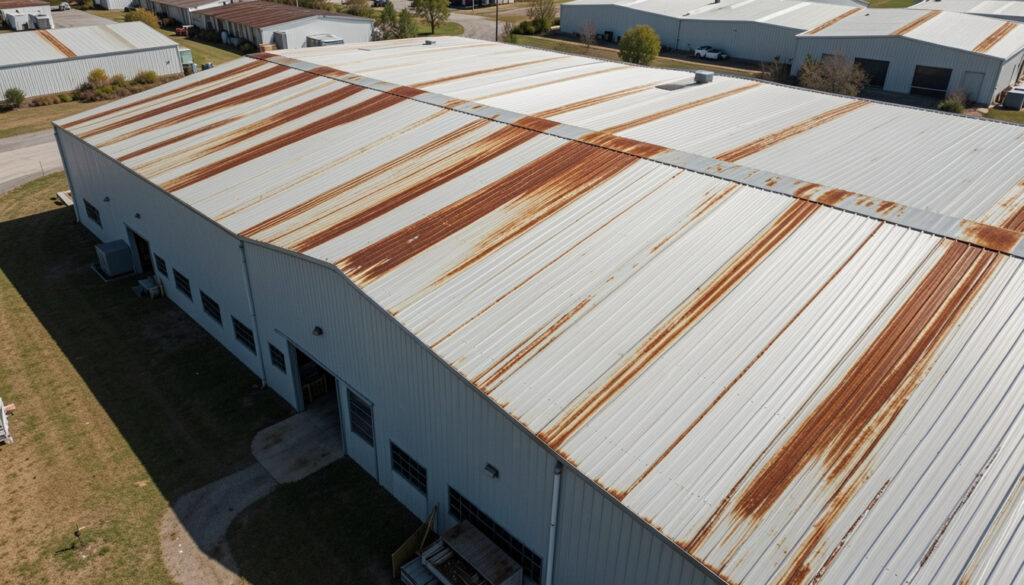
A full tear-off means stripping the existing panels down to the purlins and installing a completely new roofing system. This approach makes sense when the existing panels are severely corroded, when the underlying structure needs inspection or repair, or when you are changing panel profiles entirely. Tear-off is more labor-intensive and adds disposal costs, but it gives you a clean slate.
Metal Overlay (Re-Roof)
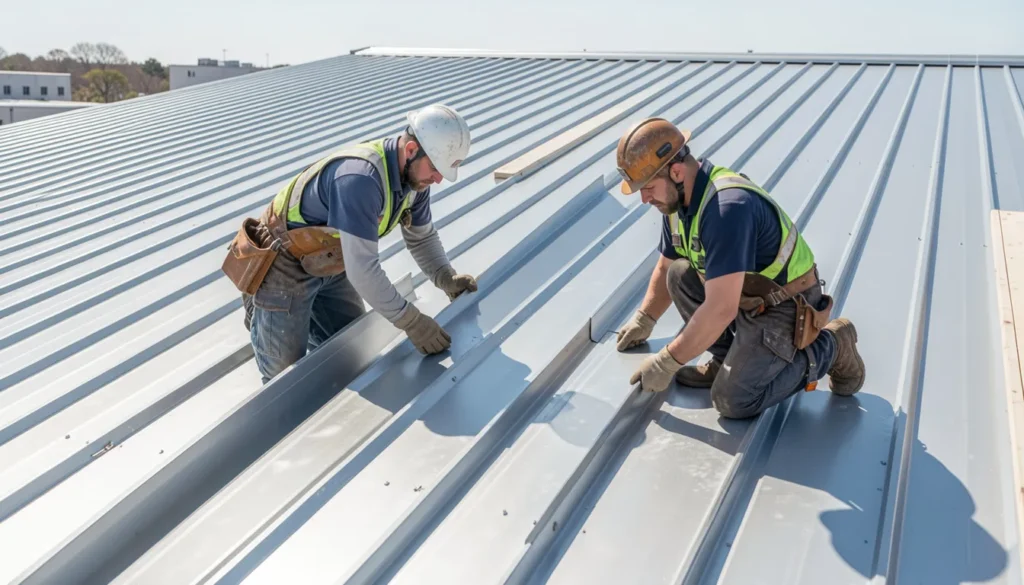
A metal overlay involves installing new panels directly over the existing roof using a sub-framing system. This keeps your building closed during the process, reduces labor time, and eliminates tear-off and haul-away costs. For many owners, this is the smarter financial choice if the existing structure is sound. You can review both approaches in detail on the butler building re roof tear off replacement metal overlay page, which breaks down each method and helps you decide which fits your situation.
| Factor | Full Tear-Off | Metal Overlay |
|---|---|---|
| Building stays closed | No | Yes |
| Disposal costs | Yes | No |
| Structural inspection | Full access | Limited |
| Project timeline | Longer | Shorter |
| Best for | Severe damage, full upgrade | Sound structure, cost savings |
Choosing the Right Panels for Your Building
Sourcing the correct replacement panels is critical. Butler’s panel systems have unique rib profiles, panel widths, and finish options that standard distributors often cannot match. If you are unsure which panels your building uses, a specialist can help you identify your system from photos, serial numbers, or building documents. Browse all butler building metal roof panels to see the full range of profiles available, including options that work as direct replacements or overlay systems.
When selecting panels, consider gauge thickness, paint system, and panel width. A heavier gauge costs more upfront but resists hail and wind better over time. In regions like the Midwest or Gulf Coast where severe weather is common, upgrading your gauge during replacement is often worth the added cost.
Things to Know
- Butler panels are proprietary: universal replacement panels often do not fit correctly without modification.
- Overlay systems typically add weight to your structure, so a load calculation should be done before proceeding.
- Lead times for specialty panels can run several weeks, so plan your project timeline accordingly.
- Local building codes in your jurisdiction may require permits for re-roofing commercial structures, regardless of method.
Get Your Butler Roof Replacement Moving Today
Waiting on a failing roof costs you more every season in leak damage, energy loss, and disrupted operations. Whether you need a full tear-off or an overlay, the first step is understanding exactly what your building requires and what it will cost. Request a new butler building replacement parts quote today to get accurate pricing based on your specific panels, building dimensions, and project scope. Fill out the quote form now and a specialist will follow up with options matched to your Butler system.
Frequently Asked Questions
Q: How much does a metal roof cost in the USA?
Commercial metal roofing costs vary widely depending on panel type, building size, and labor market.
For Butler-style standing seam systems, installed costs typically range from the low end for simple overlays to significantly higher figures for full tear-off replacements on large facilities. Getting a project-specific quote is the most reliable way to budget accurately.
Q: Can you put a new metal roof over an old metal roof?
Yes, in many cases you can install new metal panels directly over an existing metal roof using a sub-framing overlay system.
This approach works when the existing panels and structure are in reasonably sound condition. A structural load assessment is recommended before proceeding to confirm your purlins can handle the added weight.
Q: What are the advantages of a metal roof?
Metal roofs offer exceptional longevity, low maintenance requirements, and strong resistance to fire, wind, and hail.
For commercial buildings, metal roofing also reflects solar heat, which can reduce cooling costs during warm months. Butler metal systems are engineered specifically for their buildings, providing a tight fit and reliable performance over decades.
Q: Do you need an air gap under a metal roof?
An air gap is not always required, but it can improve thermal performance and reduce condensation risk in certain climates.
In overlay systems, the sub-framing naturally creates some separation between the old and new panels. For new installations, your designer or contractor should evaluate your climate zone and insulation strategy to determine whether an air gap adds meaningful benefit.
Q: What can you put over a metal roof?
The most common option placed over an existing metal roof is a new metal panel system installed on a sub-frame, often called a retrofit or overlay roof.
Some owners also use spray polyurethane foam or coatings for temporary protection, though these are not long-term structural solutions. For a Butler building, a properly engineered metal overlay is typically the most durable and code-compliant choice.
The Bottom Line on Butler Metal Roof Replacement
Butler metal roof replacement is a significant investment, but it is also one that pays off in structural protection, energy performance, and avoided repair costs over time. Whether you go the overlay route or opt for a full tear-off, the key is sourcing panels that match your specific Butler system and working with a supplier who understands the nuances of these buildings. Start by identifying your panel profile, evaluating your structure’s current condition, and requesting a detailed quote so you can move forward with a clear plan and accurate numbers.