

When comparing MR-24 vs VSR II, both are standing seam metal roof panels from Butler Manufacturing, but they serve different building types and performance requirements. Choosing between them comes down to your roof’s slope, aesthetic priorities, and long-term performance goals.
Key Takeaways
- MR-24 uses a double-lock seam, making it one of the most weather-tight standing seam systems available for low-slope roofs.
- VSR II features a snap-lock seam design suited for steeper slopes and architectural applications.
- MR-24 accommodates thermal movement more effectively, which matters on large commercial roofs.
- VSR II offers a cleaner visual profile, often preferred for retail, civic, and institutional projects.
- Both panels are available through Butler Metal Building Parts for replacement and new installation.
- Your roof’s pitch is often the single most decisive factor when choosing between these two systems.
How Each Panel System Is Designed
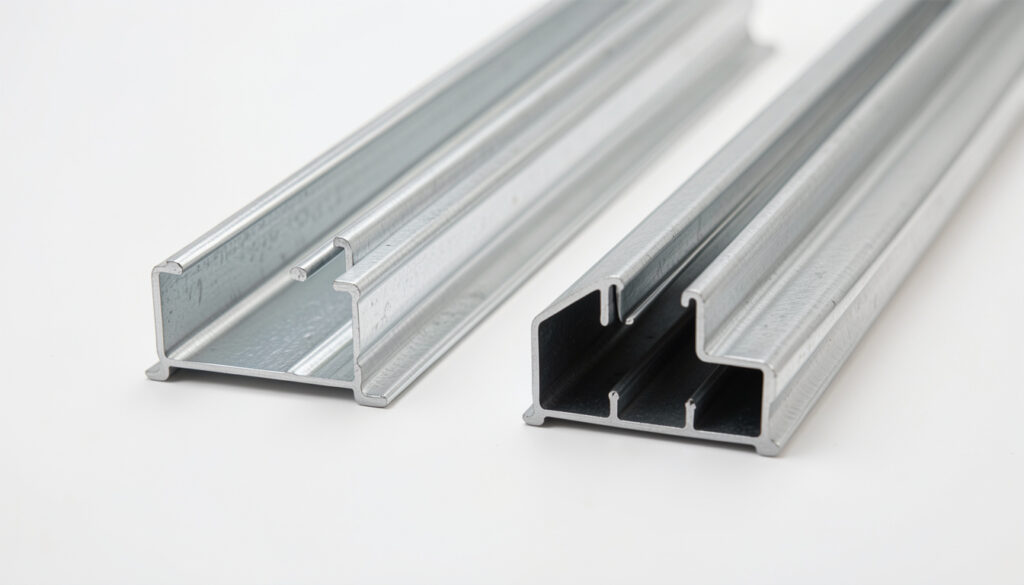
The MR-24 is a structural standing seam panel with a mechanical double-lock seam. This design creates a continuous, watertight joint along the seam without exposed fasteners. Because it clips to the structural deck rather than being directly fastened through the panel face, it allows the metal to expand and contract freely with temperature changes. This matters significantly on wide commercial or industrial buildings where thermal movement across a large roof surface would otherwise cause stress and leaks over time.
The VSR II uses a snap-lock seam, which means the panels click together during installation without requiring a mechanical seaming tool. This simplifies the installation process and reduces labor time. The panel is designed for steeper roof slopes, typically starting at 3:12, and produces a sharp, consistent visual profile that suits architectural projects where appearance plays a larger role.
You can review the full specs for the butler building mr 24 standing seam roof metal panel to get a closer look at gauge options, panel widths, and seam height details before making a decision.
MR-24 vs VSR II: A Direct Comparison
| Feature | MR-24 | VSR II |
|---|---|---|
| Seam Type | Mechanical double-lock | Snap-lock |
| Minimum Roof Slope | 1:12 | 3:12 |
| Exposed Fasteners | None | None |
| Thermal Movement | Floating clip system | Fixed clip system |
| Best Use Case | Industrial, commercial, low-slope | Architectural, retail, institutional |
| Installation Method | Mechanical seamer required | Hand snap installation |
The table above makes clear that these two systems aren’t competing for the same job. The choice between them is usually determined by your roof slope first and your aesthetic requirements second.
When MR-24 Is the Better Choice
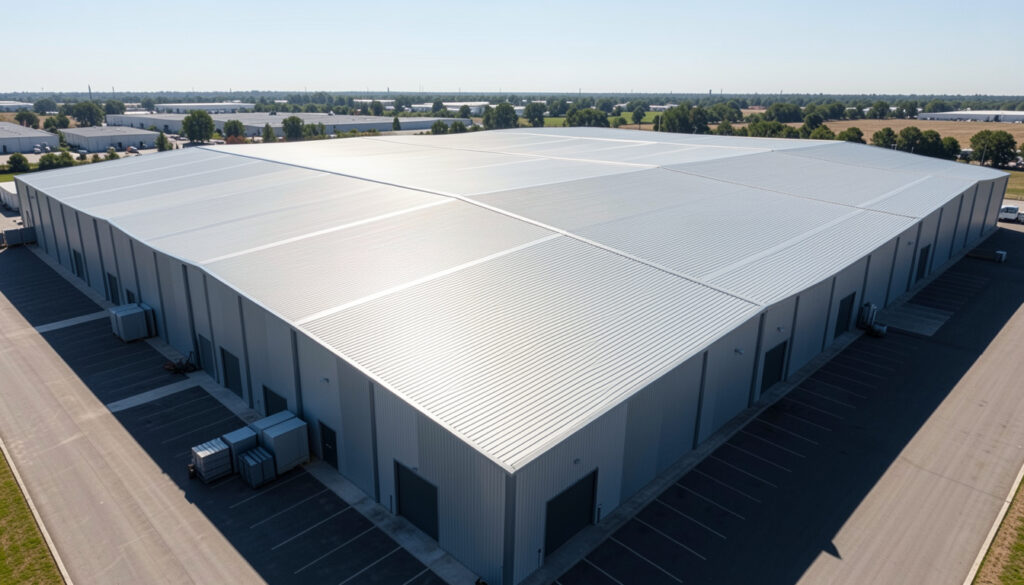
If your building has a low-slope roof and spans a large footprint, MR-24 is typically the stronger fit. Warehouses, distribution centers, manufacturing facilities, and large retail boxes often fall into this category. The floating clip system is engineered to handle the thermal expansion that occurs on wide-bay structures, preventing the kind of stress that leads to panel buckling or seam failure years down the road.
MR-24 also carries strong wind uplift ratings, which is an important consideration if your building is located in a high-wind zone or along the Gulf Coast, Atlantic Coast, or Tornado Alley regions of the U.S.
When VSR II Is the Better Choice
For projects where slope and appearance both matter, the butler building vsr ii architectural metal roof panel standing seam is worth a close look. Civic buildings, schools, medical offices, and upscale retail often use this panel because the crisp seam line contributes to a polished, architectural finish. The snap-lock installation also makes it a practical choice when project timelines are tight, since it doesn’t require mechanical seaming equipment on site.
If you want to explore the full product details, you can find dimensions, finishes, and compatible accessories for all of our options.
Things to Know
- MR-24 requires a mechanical seamer, which adds to installation cost but results in a more robust seam.
- VSR II panels are not recommended for very low-slope applications where water pooling is a risk.
- Both systems use concealed clips, so neither will have exposed fasteners that can rust or back out over time.
- Panel color, finish, and gauge options vary. Always confirm specifications with your supplier before ordering.
Get the Right Panel Before Your Project Stalls
Ordering the wrong panel for your roof slope or building type creates costly delays and rework. Butler Metal Building Parts stocks both MR-24 and VSR II panels, so you can source the right system without waiting on long lead times. Request your free quote today and have a specialist match the right panel to your project specs. Tell them your roof slope, building width, and location, and they will point you to the right system immediately.
Frequently Asked Questions
Q: Can I replace an existing MR-24 roof with VSR II panels?
No, these two systems are not directly interchangeable.
MR-24 and VSR II use different clip systems and seam profiles. Switching between them typically requires changes to the substructure. Always consult with a metal building specialist before substituting one system for the other.
Q: Which panel is more affordable, MR-24 or VSR II?
VSR II installation tends to cost less in labor because it uses a snap-lock design that doesn’t require mechanical seaming equipment.
Material costs vary by gauge, finish, and order volume. For an accurate cost comparison on your specific project, request a quote from a supplier like Butler Metal Building Parts who carries both systems.
Q: What is the minimum slope for MR-24?
MR-24 can be installed on roofs with a slope as low as 1:12.
This makes it one of the few standing seam options suitable for near-flat commercial roofs. Always verify your specific building conditions meet the manufacturer’s installation requirements.
Q: Do both panels come with a weather-tight warranty?
Butler Manufacturing offers warranty programs for both panel types, but terms vary based on the project scope and installation requirements.
You should confirm warranty eligibility with your distributor and ensure the panel is installed by a qualified contractor to maintain coverage.
Q: Where can I browse all Butler metal roof panel options?
Butler Metal Building Parts provides a full catalog online, where you can view all butler building metal roof panels to compare MR-24, VSR II, and other systems side by side before placing an order.
The Bottom Line on MR-24 vs VSR II
These two systems are both high-quality standing seam solutions, but they are built for different applications. MR-24 is the right call for large commercial and industrial buildings with low-slope roofs that need maximum weather resistance and thermal flexibility. VSR II is better suited for steeper-slope projects where architectural appearance is a priority and faster installation is a benefit.
Confirm your roof slope, check your building’s span, and contact Butler Metal Building Parts to get the right panel specified for your job before you order.