
(559) 428-8537Nationwide Job-Site Delivery
Butler Building QuoteOEM Part/Panel Quote

BUTLER BUILDING
FOUNDATION ENGINEERING

Your Butler Building is Only as Strong as the Foundation It Stands On

Every Butler building project begins with the foundation. A properly engineered foundation anchors your Butler building to the site, transfers structural loads safely into the ground, and ensures your building performs exactly as designed for decades to come. Get the foundation engineering right from the start and your Butler building will stand strong through decades of commercial and industrial service. Get it wrong and the consequences are costly, dangerous and sometimes irreversible.

Why Butler Building Foundation Engineering Matters
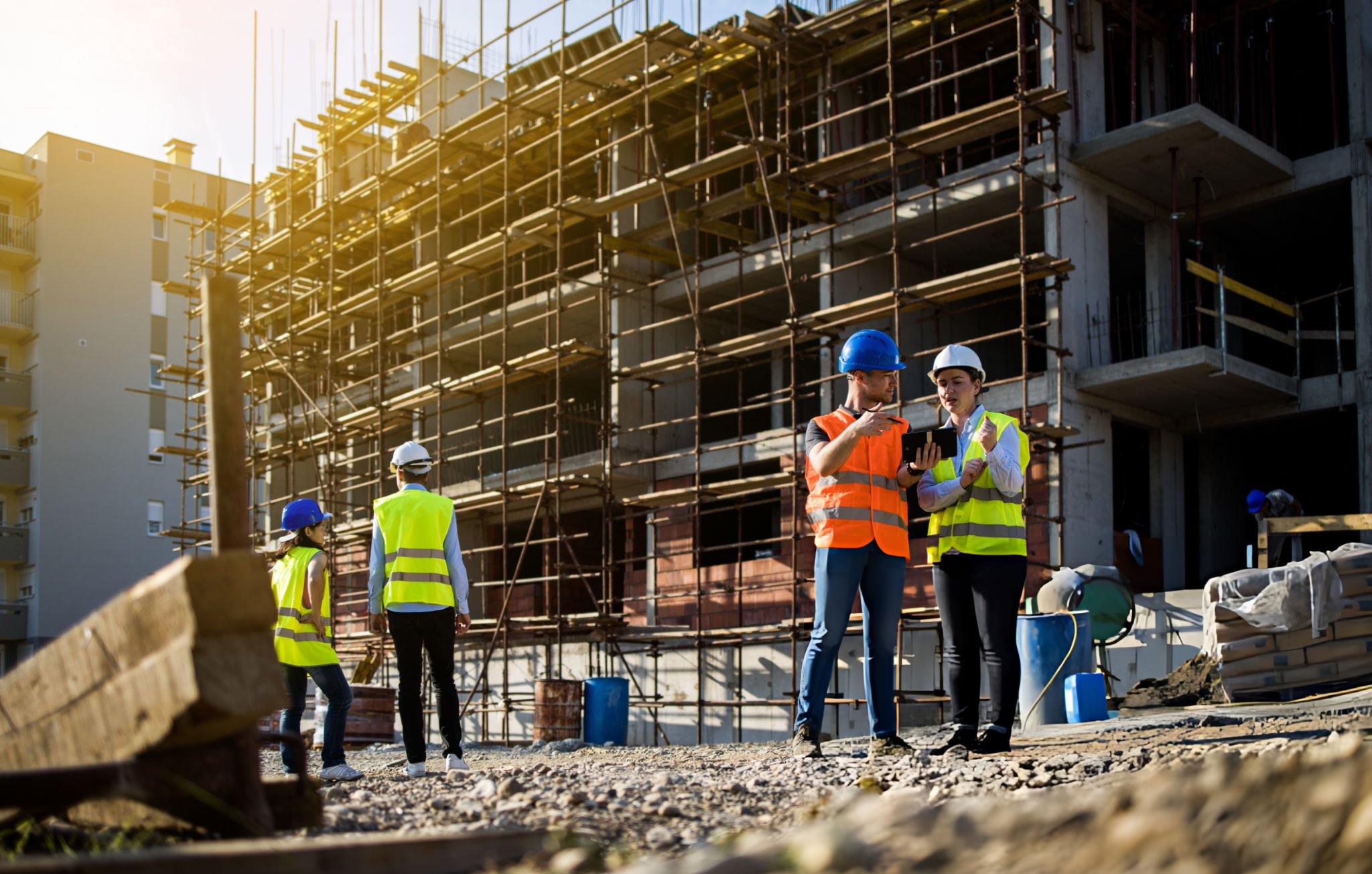
Your building manufacturer provides engineering drawings showing exact anchor bolt locations, load reactions at each column and specific foundation requirements. The anchor bolt plan forms the critical connection between the foundation and the building. For Butler buildings this means every foundation must be engineered specifically for the column loads, anchor bolt layout and base angle dimensions of the Butler building system being installed — not adapted from a generic concrete specification that was not designed for your specific building.

All metal buildings require some type of concrete foundation for the building to be anchored to. The type of foundation is dictated by the loading on the building columns and the soils at the site. Selecting the wrong foundation type, undersizing the concrete, mislocating the anchor bolts or skipping the soils investigation are the most common and most expensive mistakes made on Butler building projects. A properly engineered foundation eliminates all of these risks before a single cubic yard of concrete is poured.

Get a Same Day Quote

The Foundation Decisions That Determine Your Building's Future

Get the Anchor Bolts Right

Positioning errors of even an inch can prevent proper installation or create stress concentrations that affect structural performance. Foundation drawings specify concrete strength requirements typically 3,000 to 4,000 PSI for most steel building applications. Butler buildings are precision engineered systems where every column base plate is manufactured to exact dimensional tolerances. The anchor bolts that connect your Butler building to its foundation must be located within those same tolerances or the consequences range from costly field corrections to compromised structural connections that affect the building's long term performance.

Know Your Soil Before You Pour

A soil test costs around $500 to $800 and it is the smartest money you will spend. The test tells you soil bearing capacity, drainage characteristics and how deep you need to go for stable support. Skipping the soil test on a 60 by 100 metal building project resulted in a building sinking on one end when the soil could only handle 1,200 pounds per square foot instead of the assumed 2,000. The fix required tearing out the existing foundation, installing helical piers 15 feet deep and starting over at a total cost of $47,000. The soil test is not optional on a Butler building project. It is the foundation of the foundation.

Meet Butler's Anchor Bolt Requirements

All structural columns must attach to the foundation with a minimum of four anchor bolts. All adjacent anchor bolts must vary no more than one quarter inch in diameter. Anchor bolt placement must follow the engineered foundation plan exactly and the structural design engineer must approve any changes in writing. Butler's anchor bolt plans are provided with every building order and must be followed precisely. Deviation from the engineered anchor bolt plan without written engineering approval can void your Butler building warranty and compromise the structural integrity of the entire building system.

Design for Your Specific Load Conditions

Engineers draft detailed blueprints that integrate the dimensions and weight of the proposed metal building. These plans are critical to ensure the foundation can adequately support the structure's loads both dead loads from the building itself and live loads from people, furniture and equipment. Load path consideration ensures that the weight is transferred efficiently from the steel framing to the foundation and eventually to the ground. Local building codes must be meticulously adhered to covering requirements for frost depths, seismic considerations and wind uplift all of which influence the design specifications for a robust and compliant foundation.

Use a Contractor Who Knows Butler Buildings

Use concrete contractors experienced specifically with steel building foundations. The precise anchor bolt positioning and unique load patterns differ from residential work. Contractors familiar with metal buildings understand these requirements and avoid common installation errors. Consider hiring a third party inspection service for additional quality assurance. These professional inspectors verify proper installation techniques, correct material usage and compliance with engineering specifications.

Allow Full Concrete Cure Time

Anchor bolts must not be disturbed during curing and any column loads should wait until the concrete reaches adequate strength. Your building manufacturer and concrete contractor can provide specific timing recommendations for your project. Attempting to erect a Butler building on a foundation that has not reached full design strength is one of the most dangerous and costly mistakes a building owner or contractor can make. Full 28 day cure time is not a suggestion — it is a structural requirement.

Built to Last from the Ground Up

The foundation is the only component of your Butler building that cannot be replaced, upgraded or repaired without demolishing the structure above it. Every investment you make in proper foundation engineering, quality soils investigation, precise anchor bolt installation and correct concrete placement protects every other investment in your Butler building project from the structural frame and roof system to the interior improvements and equipment that will operate inside the facility for decades.

The strength and safety of a steel building depend upon a solid foundation with perfectly aligned connections. If either the foundation or the connecting bolts are compromised the entire structure is less stable. The precise nature of a steel building allows no room for foundation errors or issues with the concrete anchoring system. Blunders made in the placement or quality of foundation anchors are not only costly but can actually be deadly. Improperly poured foundations and shoddily installed connections may lead to compromised buildings or even structural collapse.

Do your Butler building foundation right the first time and it will serve your building reliably for the full service life of the structure. Compromise the foundation and no amount of premium Butler panels, roof systems or building accessories will compensate for what was lost at the ground level.
Get a Same Day Quote

Need Foundation Engineering Support for Your Butler Building Project?

Our Butler Building specialists are ready to help you navigate the foundation engineering process and connect you with the right resources for your specific project location and site conditions.
Get a Same Day Quote(559) 428-8537