

Butler Building
SEVERE WIND DAMAGE RECOVERY
Restoring the Building Envelope
Industrial facilities are designed as a unified structural diaphragm. When wind speeds exceed design limits, a single failing fastener can trigger a chain reaction, leading to catastrophic progressive panel loss across the entire roof system.
Latent structural fatigue often goes unnoticed after a major wind event. Micro-tears in siding and roof panels can lead to metal oxidation and eventual structural collapse months after the initial storm if not properly identified and remediated.
Our engineering-led approach prioritizes forensic assessment over superficial repairs. We analyze the torque capacity of remaining fasteners and the alignment of secondary framing to ensure your facility meets or exceeds current wind-load specifications.
CRITICAL WARNING
40% of wind-related structural failures start with a single compromised fastener. Immediate professional inspection is the only way to prevent facility-wide failure.
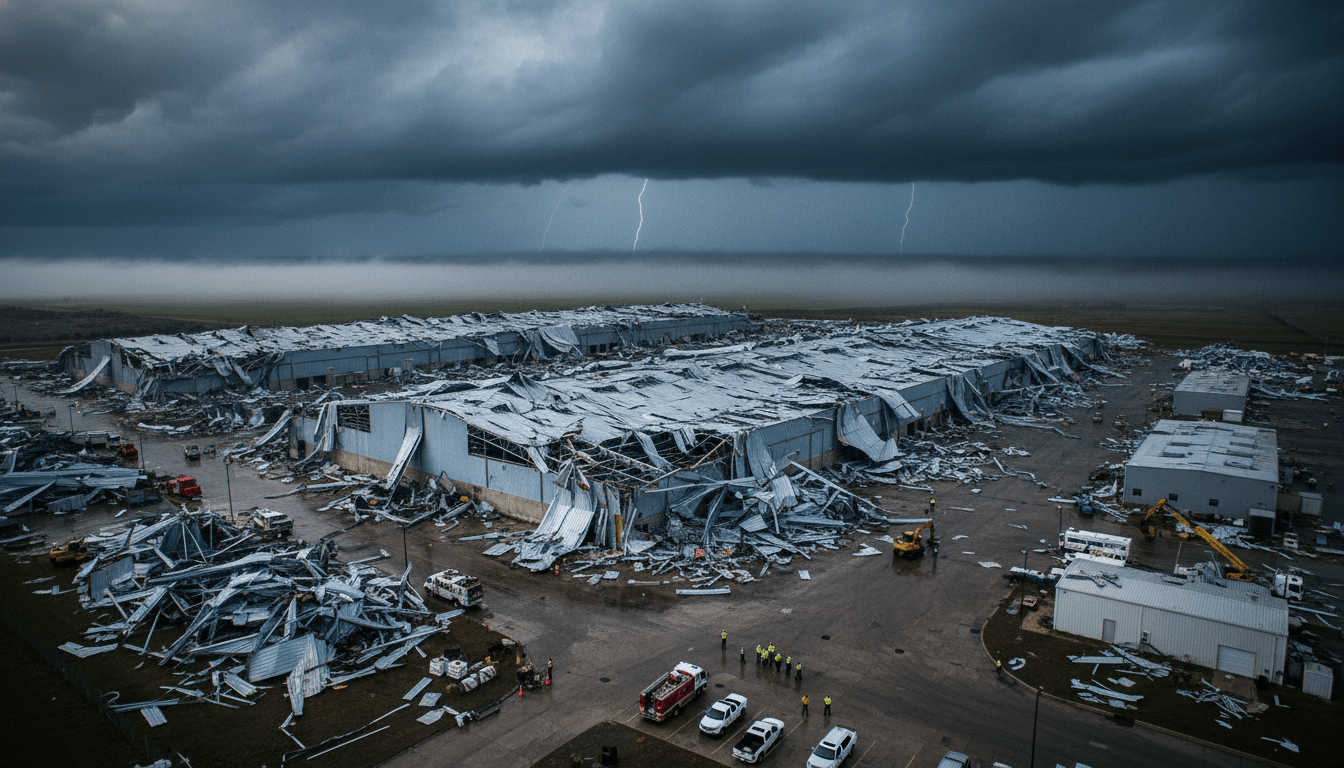
What a Severe Wind Does to a Commercial Steel Building
Severe straight-line wind events are statistically the most common cause of commercial steel building damage in the United States — more frequent than tornadoes, hurricanes and hail combined across most of the country. Unlike the localized intensity of a tornado or the geographic range of a hurricane straight-line wind events can deliver damaging wind speeds across large geographic areas simultaneously creating widespread simultaneous damage to commercial facilities throughout entire metropolitan regions.
Butler pre-engineered metal buildings are engineered for specific wind uplift and lateral load ratings at their installation location. When a wind event exceeds the design wind speed for your building or when aging fasteners, corroded connections or previously unaddressed maintenance issues reduce the building’s effective wind resistance below its original design capacity the result can be rapid progressive panel loss that exposes the building interior to ongoing damage far exceeding the original wind event losses.
The hidden danger in severe wind damage to commercial steel buildings is what happens after the initial panel loss. Once even a small section of roof or wall panel is missing the internal pressurization and suction forces on the remaining panels increase dramatically — often leading to progressive panel loss that continues as long as wind speeds remain elevated even if they drop below the threshold that caused the original damage.
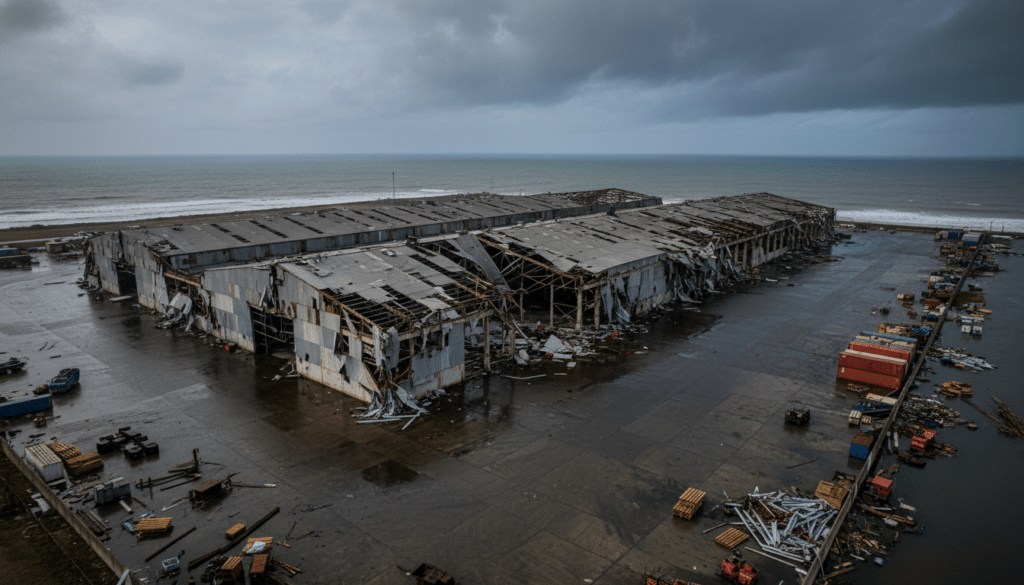
Signs Your Building Has Sustained Wind Damage
Stripped Roofing Panels
Roof coverings that have been torn away, detached, or severely damaged due to high winds, mechanical force, or fastener failure.
Siding Fastener Failure
The breaking, loosening, or rusting out of screws and nails holding the exterior siding in place, causing panels to sag or detach.
Corner Flashing Separation
The pulling apart of protective metal strips at external building corners, exposing the underlying structure to water infiltration.
Exposed Secondary Framing
Sub-structural elements—like purlins or girts—left completely unprotected against weather elements due to missing exterior panels.
Purlin Torque & Rotation
Horizontal roof-support beams that have twisted or rotated out of alignment under structural load or extreme wind uplift.
Girt Displacement
The shifting or bowing of horizontal wall-framing members out of their proper position, compromising exterior wall stability.
Diaphragm Tearing
Rip or puncture damage occurring in the structural roof or floor panels, which compromises the building’s ability to resist lateral forces like wind or earthquakes.
Foundation Anchor Stress
The Severe Wind Recovery Protocol
Emergency Envelope Securing
Temporary protection to cover exposed areas with tarps or waterproof materials prevents water intrusion and further damage following a severe wind event. Our rapid-response team deploys immediately to deploy heavy-duty tarping over all missing or displaced panel sections, board exposed door and window openings and install temporary structural support where secondary framing members have been displaced — stopping the ongoing interior weather exposure before the formal engineering assessment begins.
Complete Wind Damage Inspection
Documenting the damage by taking clear photos and videos of any visible missing materials or structural issues is the essential first step for insurance claims following a severe wind event. Our inspection team conducts a complete roof and wall surface assessment, secondary framing inspection and primary structure evaluation documenting every wind-damaged component with detailed photographs and technical measurements in the format required for insurance adjuster review.
Engineering Assessment
A licensed structural engineer evaluates the primary and secondary structural framing for wind-induced damage including connection failures, member deformation and fastener pull-through that may not be visible from a surface inspection. Factory engineering data for your specific Butler building system is used to confirm which structural components meet their original design specifications and which require replacement before reconstruction can proceed safely.
Insurance Documentation and Adjuster Coordination
Our engineering team produces a complete stamped damage assessment and line-item replacement manifest covering every wind-damaged component of your Butler building system. We coordinate directly with your insurance adjuster to provide technical documentation, answer engineering questions and advocate for full claim approval covering the complete scope of your wind damage recovery project.
Component Sourcing and Panel Replacement
Damaged primary and secondary structural components and all missing or compromised roof and wall panels are sourced directly from our authorized Butler wholesale supply network. Genuine OEM Butler replacement panels in the correct gauge, profile and Butler-Cote finish color are installed by our certified crews using the correct fastener pattern and spacing for your specific Butler roof and wall system.
Upgrade to Higher Wind Resistance
Wind damage recovery is the right time to upgrade your Butler building’s wind resistance performance. We evaluate whether upgrading from a through-fastened roof system to a continuous-seam standing seam system, increasing fastener density, upgrading purlin lap connection details or improving eave strut to rafter connections would meaningfully improve your building’s resistance to future severe wind events.
Final Inspection and Certificate of Occupancy
All required inspections are coordinated with your local building department throughout the reconstruction process. Upon completion of all inspections and final agency sign-off your facility receives a Certificate of Occupancy confirming full code compliance and clearance for occupancy and operations.
Critical Safety Notice for Building Owners
Do not allow personnel to enter a damaged structure without professional structural assessment. Maintain a safe perimeter and contact emergency services if the building is at risk of collapse. Our emergency teams are trained in OSHA safety protocols and structural stabilization.
Request Emergency Structural Assessment
Ready to Build Your Butler Project?
Download the Spec Sheet
Fill in the fields below to instantly download your spec sheet. A backup copy will also be sent to your email.