

The MR-24 metal roof is one of Butler Manufacturing’s most established standing-seam roofing systems, engineered around long-term weather protection, structural performance, and controlled thermal movement. Butler describes the MR-24 as an industry-proven standing-seam roof system, and its current specifications incorporate several features specifically intended to maintain seam integrity and weather resistance over the life of the building.
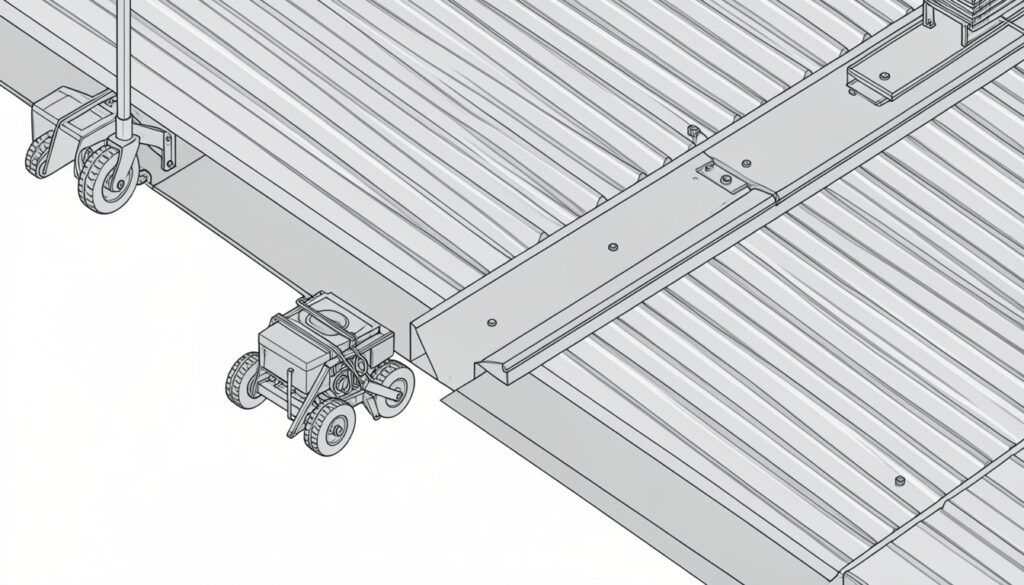
The defining feature of the system is its 360-degree Pittsburgh double-lock seam. Rather than relying on exposed fasteners across the roof surface, the panels are mechanically joined at the seams, while a floating clip system allows the roof to expand and contract as temperatures change.
For owners of existing Butler buildings, understanding these features is important when dealing with leaks, damaged panels, corrosion, insulation problems, or replacement parts. An MR-24 roof is an engineered assembly, so the correct repair depends on more than simply finding a metal panel that looks similar.
Why the MR-24 System Has a Different Approach to Metal Roofing
Many metal roofs rely heavily on exposed fasteners or simpler seam configurations.
The MR-24 takes a different approach.
Its current system uses 24-inch-wide panels, available in 22- and 24-gauge thicknesses, with a Pittsburgh double-lock seam that creates a continuous mechanical connection between adjacent panels. The system also uses floating clips to accommodate thermal movement.
The result is a roof assembly designed around several interconnected principles:
- Continuous standing seams
- Mechanical seam locking
- Controlled panel movement
- Factory-prepared panel alignment
- Supported panel splices
- Integrated perimeter details
- Weather-resistant construction
Butler’s current product information identifies the system as having UL Class 90 uplift performance, FM Global and Miami-Dade approvals, and optional 25-year weathertightness and finish warranties.
The 360-Degree Pittsburgh Double-Lock Seam
The seam is one of the most important characteristics of the MR-24 system.
Butler describes the MR-24’s Pittsburgh double-lock seam as a 360-degree mechanical lock.
This creates a continuous connection between adjoining roof panels.
The seam contributes to:
- Weather resistance
- Panel connection
- Roof continuity
- Long-term seam integrity
- Resistance to environmental exposure
Butler specifically identifies the double-lock seam as a key reason for the system’s long-term weathertight performance.
Because the seam is integral to the system, damage to a seam should be taken seriously during a roof inspection.
Factory-Punched Roof Panels
The current MR-24 system uses factory-punched panels.
This preparation helps maintain consistent module alignment and reduces variability during installation.
Factory preparation is important because standing-seam systems depend on accurate panel positioning.
Incorrect alignment can affect:
- Seam formation
- Panel connections
- Roof geometry
- Flashing
- End conditions
- Overall appearance
For replacement work, this is another reason why the exact roof system should be identified before ordering materials.
Floating Clips Allow the Roof to Move
Metal naturally expands and contracts when temperatures change.
A large roof can experience repeated thermal movement over many years.
The MR-24 uses a floating clip system designed to accommodate that movement without unnecessarily stressing the seam.
This is one of the most important considerations when repairing an existing MR-24 roof.
A replacement clip or attachment should not be selected simply because it fits the panel.
It must work with the movement characteristics of the system.
Why Thermal Movement Matters
Imagine a long metal roof exposed to intense sunlight during the day and cooler temperatures overnight.
The metal changes dimension as its temperature changes.
If that movement is improperly restricted, stresses can develop within the roof assembly.
The MR-24’s floating clips are designed to accommodate this movement while maintaining the roof’s connection to the supporting structure.
This means that repairs, modifications, and replacement components need to preserve the basic movement characteristics of the original system.
Supported Panel Splices
Another feature of the current MR-24 system is its use of supported panel splices.
Butler identifies structurally backed splice locations with staggered seams as part of the system’s design.
This is important because long roof panels and panel connections need to maintain continuity while dealing with structural and thermal demands.
When inspecting an existing roof, panel splice areas deserve particular attention.
Integrated Gable Trim
The MR-24 system also incorporates integrated gable trim.
According to Butler, the trim forms clean roof edges while allowing the trim to expand and contract with the roof.
This is more than an aesthetic detail.
Roof edges are exposed to weather and movement, making proper detailing important for maintaining weather resistance.
Damage or deterioration at the gable edge can create problems that appear to originate from the roof panel itself.
Flexible Ridge Design
The ridge is another critical part of a standing-seam roof.
The MR-24 uses a flexible ridge design intended to maintain fit and drainage as the roof expands and contracts.
A problem around the ridge should therefore be evaluated in the context of the entire ridge assembly.
Potential concerns include:
- Damaged ridge components
- Failed sealants
- Improper modifications
- Debris
- Corrosion
- Movement-related problems
MR-24 Roof Panel Construction
The current MR-24 system uses 24-inch-wide panels and 22- or 24-gauge steel.
The panel material, gauge, seam geometry, finish, and attachment system all contribute to the completed roof.
When replacing an existing panel, these characteristics should be considered together.
A panel with the wrong profile or gauge may not perform as intended even if its dimensions appear similar.
Roof Finish and Coating
The current MR-24 system is available with acrylic-coated bare material or painted finishes, including Butler-Cote FP-500 options.
The finish protects the metal from environmental exposure while also determining the roof’s exterior appearance.
Over time, the finish may experience:
- Fading
- Scratching
- Chalking
- Impact damage
- Localized deterioration
A damaged finish should be evaluated before corrosion develops underneath the affected area.
Corrosion on MR-24 Roofs
Corrosion is a concern on any metal roof where the protective surface has been compromised.
Areas worth inspecting include:
- Roof seams
- Roof edges
- Flashing
- Penetrations
- Panel splices
- Gutters
- Areas where debris accumulates
- Locations where water remains
The underlying cause should be identified before deciding how to treat the corrosion.
For example, corrosion caused by persistent drainage problems will continue to return if the drainage issue is never corrected.
What Causes an MR-24 Roof to Leak?
An MR-24 roof can develop leaks for several reasons.
Potential sources include:
- Damaged seams
- Roof penetrations
- Flashing
- Ridge details
- Gable conditions
- Failed sealants
- Damaged panels
- Drainage problems
- Improper modifications
- Aging components
Importantly, the location of water inside the building does not always identify the exact point where water entered.
Water can travel through the roof assembly before becoming visible.
Roof Penetrations Are Common Trouble Spots
Commercial buildings often have equipment that penetrates the roof.
Examples include:
- HVAC equipment
- Exhaust fans
- Pipes
- Vents
- Skylights
- Electrical equipment
- Mechanical systems
These openings interrupt the continuous roof surface.
Proper flashing and sealing around these penetrations are therefore essential.
If an MR-24 roof develops a leak near equipment, inspect the entire penetration assembly before assuming the surrounding panel is defective.
Flashing and Roof Transitions
Flashing directs water away from roof transitions and vulnerable areas.
Potential problem areas include:
- Roof-to-wall transitions
- Equipment curbs
- Roof edges
- Valleys
- Ridge areas
- Penetrations
Flashing can deteriorate through corrosion, movement, impact, or failed sealants.
Replacing a roof panel without correcting failed flashing may leave the leak unresolved.
Sealants and Weatherproofing
Sealants form part of the weather-resistant details throughout a roof.
They can deteriorate through:
- UV exposure
- Aging
- Temperature changes
- Movement
- Physical damage
- Loss of adhesion
The current MR-24 system incorporates sealant as part of its seam assembly.
When a sealant failure is discovered, inspect the surrounding joint to determine why the sealant failed rather than simply adding another layer over the existing material.
MR-24 Insulation
Insulation is an important part of the complete roof assembly.
The current MR-24 specifications identify insulation options using polyisocyanurate, with configurations listed up to R-40.
Insulation can help:
- Reduce heat transfer
- Improve building energy performance
- Maintain interior temperatures
- Contribute to condensation control
The insulation system should be considered alongside the roof’s vapor-control and air-control components.
Wet Insulation and Moisture Problems
Wet insulation can indicate a larger building-envelope problem.
Possible causes include:
- Roof leaks
- Condensation
- Failed flashing
- Damaged penetrations
- Air leakage
- Vapor-control problems
Replacing insulation without correcting the moisture source can result in repeated damage.
When wet insulation is discovered, determine where the moisture came from before installing replacement material.
Condensation in an MR-24 Building
Condensation occurs when moisture-laden air encounters a surface cold enough for water vapor to condense.
The likelihood of condensation depends on several factors:
- Interior humidity
- Exterior temperature
- Insulation
- Vapor control
- Air leakage
- Building use
- HVAC conditions
A roof that appears to be leaking may sometimes have a condensation problem instead.
Proper diagnosis is therefore important before beginning a major roof repair.
Roof Drainage
Water needs to move efficiently away from the roof.
The drainage system may include:
- Gutters
- Downspouts
- Roof slopes
- Drains
- Roof-edge details
Debris can restrict drainage and cause water to remain on areas that were not designed for prolonged exposure.
Standing water can accelerate deterioration and increase the risk of corrosion.
Keeping the Roof Clear
Leaves, branches, dirt, and other debris can collect around:
- Gutters
- Roof penetrations
- Ridge areas
- Roof edges
- Drainage outlets
Regular maintenance helps prevent debris from interfering with drainage.
It also makes it easier to spot developing problems.
Wind Resistance and Roof Performance
The MR-24 system is designed to withstand significant wind uplift forces.
Butler’s current product information identifies a UL Class 90 wind uplift rating, along with FM Global and Miami-Dade approval.
The actual wind requirements for a specific building depend on factors such as:
- Building location
- Building height
- Roof geometry
- Exposure
- Applicable codes
- Structural design
After a severe storm, inspect the roof for more than obvious punctures.
Look for:
- Damaged seams
- Displaced components
- Edge damage
- Flashing problems
- Attachment issues
- Interior water intrusion
MR-24 Roof Maintenance
Routine inspections can help identify problems before they become major repairs.
A maintenance inspection should include:
- Roof panels
- Standing seams
- Flashing
- Ridge
- Gable trim
- Penetrations
- Sealants
- Drainage
- Corrosion
- Interior conditions
The roof should also be inspected after significant weather events.
Repairing an MR-24 Roof
The appropriate repair depends on the cause and extent of the damage.
A localized repair may involve:
- Replacing damaged components
- Repairing flashing
- Restoring sealants
- Addressing a roof penetration
- Correcting drainage
- Replacing damaged clips
- Repairing localized corrosion
The repair should preserve the original roof’s design principles.
When Panel Replacement Is Appropriate
A damaged panel does not automatically mean that the entire MR-24 roof needs replacement.
Localized panel replacement may be appropriate when:
- Damage is limited
- Surrounding panels remain sound
- Seams can be properly restored
- Attachment components remain suitable
- The overall roof has adequate remaining service life
However, replacement should be evaluated carefully because the MR-24 relies on its seam and clip system for overall performance.
Full Roof Replacement
A full roof replacement may be considered when deterioration is widespread.
Potential factors include:
- Extensive corrosion
- Numerous recurring leaks
- Widespread panel damage
- Deteriorated flashing
- Extensive previous modifications
- Poor remaining service life
- Significant attachment problems
Butler’s current project information also demonstrates that MR-24 systems can be used in complete reroofing projects. In one recent project, Hager Companies underwent a complete tear-off and replacement with another MR-24 system after an existing building had demonstrated decades of service.
MR-24 for Large Buildings
One of the notable applications of MR-24 is large-scale commercial and industrial construction.
For example, Butler identifies the Las Vegas Raiders Practice Facility as using an MR-24 roof system across approximately 130,000 square feet.
The roof was selected for a large clear-span facility where weather-tight performance was a major consideration.
Other Butler projects also use MR-24 for schools, healthcare facilities, warehouses, manufacturing buildings, sports facilities, and other large structures.
Conventional MR-24 Roof Systems
MR-24 technology is also available for conventionally framed buildings.
Butler’s MR-24 Conventional Roof System allows MR-24 seam technology to be installed over Butler B-Deck or comparable structural deck systems. The conventional version uses rigid polyisocyanurate insulation above a continuous vapor retarder and is designed to interface with standard bar joist and metal deck assemblies.
This is important when identifying an existing roof because not every MR-24 application is installed over the same structural configuration.
MR-24 and Building Modifications
Existing buildings often receive modifications throughout their service life.
These may include:
- HVAC units
- Exhaust systems
- Solar panels
- Skylights
- Electrical equipment
- Mechanical penetrations
- New roof-mounted equipment
Every modification creates a potential interaction with the existing roof.
Poorly designed modifications can cause leaks even when the original MR-24 panels remain in good condition.
Solar Panels on an MR-24 Roof
Solar installations should be evaluated carefully before work begins.
Consider:
- Roof condition
- Remaining service life
- Structural capacity
- Attachment method
- Penetration requirements
- Waterproofing
- Maintenance access
A roof nearing the end of its service life may not be an ideal candidate for a large solar installation without first considering whether reroofing should occur.
Identifying an Existing MR-24 Roof
If you need to determine whether a Butler building has an MR-24 roof, inspect multiple characteristics rather than relying on one measurement.
Useful information includes:
- Panel width
- Seam profile
- Seam construction
- Panel thickness
- Clip configuration
- Roof edge details
- Ridge configuration
- Building documentation
The current system uses 24-inch-wide panels and a Pittsburgh double-lock standing seam.
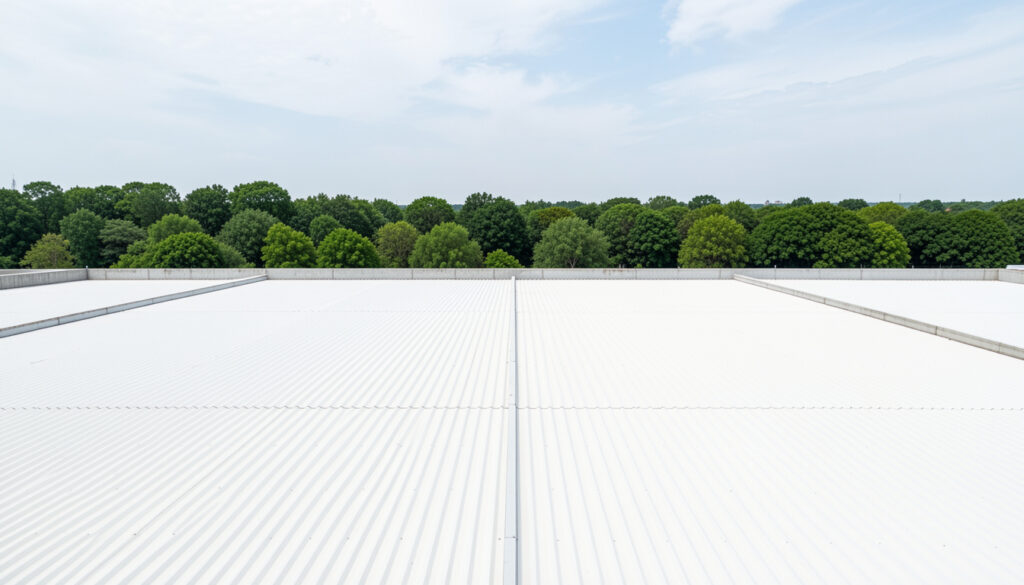
Photographs are particularly useful.
Take clear images of:
- The roof from the ground
- A close-up of the standing seam
- The roof edge
- Ridge
- Flashing
- Damaged areas
- Existing clips or hardware where accessible
Common Problems With MR-24 Metal Roofs
Roof Leaks
Water intrusion can originate from seams, penetrations, flashing, ridge details, damaged panels, sealants, or drainage problems.
Damaged Standing Seams
Impact, improper maintenance, or modifications can damage the double-lock seam and compromise the roof assembly.
Corrosion
Moisture exposure, damaged finishes, debris, and persistent drainage problems can contribute to corrosion.
Failed Sealants
Aging or damaged sealants can create openings around roof transitions and penetrations.
Damaged Flashing
Flashing around roof edges, equipment, and transitions can deteriorate over time.
Clip Problems
Damaged or improperly replaced clips can interfere with the roof’s attachment and thermal movement.
Panel Damage
Storms, falling debris, equipment, and improper roof access can damage panels.
Wet Insulation
Wet insulation may indicate a roof leak, condensation problem, or other moisture issue.
Drainage Problems
Blocked gutters or drainage outlets can cause water to accumulate and accelerate deterioration.
Improper Modifications
Poorly detailed roof penetrations or equipment installations can create new leak paths.
Repeated Leaks
Recurring leaks in multiple areas may indicate a broader roof condition problem rather than isolated failures.
Things to Know
- MR-24 is a Butler standing-seam metal roof system engineered for long-term weather-tight performance.
- The current system uses 24-inch-wide panels.
- Current panel thickness options include 22 and 24 gauge.
- The Pittsburgh double-lock seam creates a 360-degree mechanical lock.
- Floating clips allow the roof to accommodate thermal movement.
- The system uses factory-punched panels to support consistent alignment.
- The MR-24 system includes supported panel splice and integrated gable trim details.
- Current specifications identify insulation options up to R-40 polyisocyanurate.
- The current system carries a UL Class 90 uplift rating and listed FM Global and Miami-Dade approvals.
- MR-24 technology is also available in a conventional roof configuration for conventional structural systems.
- Roof penetrations, flashing, seams, sealants, and drainage should all be considered when troubleshooting leaks.
- Replacement components should be matched to the existing MR-24 configuration rather than selected based solely on appearance.
Frequently Asked Questions
What is an MR-24 metal roof?
MR-24 is a Butler standing-seam metal roofing system designed around long-term weather-tight performance and controlled thermal movement.
Why is it called MR-24?
MR-24 is the name Butler uses for its standing-seam roof system, which currently uses 24-inch-wide roof panels.
What type of seam does MR-24 use?
The MR-24 uses a Pittsburgh double-lock standing seam with a 360-degree mechanical lock.
Does MR-24 use exposed screws across the roof?
The primary panel connection is through the standing-seam and clip system rather than rows of exposed fasteners across the roof surface.
Why does MR-24 use floating clips?
Floating clips allow the roof panels to expand and contract with temperature changes without unnecessarily stressing the seam.
What size are MR-24 roof panels?
The current MR-24 system uses 24-inch-wide panels and 22- or 24-gauge panel thicknesses.
What causes an MR-24 roof to leak?
Common causes include damaged seams, roof penetrations, flashing, failed sealants, damaged panels, drainage issues, and improperly installed modifications.
Can an MR-24 roof be repaired instead of replaced?
Yes, depending on the extent of the damage and the condition of the surrounding roof.
Localized problems may be repairable without replacing the entire roof.
Can one damaged MR-24 panel be replaced?
In some situations, yes.
The replacement must be compatible with the existing panel profile, seam configuration, material, and attachment system.
How long does an MR-24 roof last?
Service life depends on the roof’s installation, environment, maintenance, exposure, modifications, and overall condition.
Butler cites examples of MR-24 roofs providing decades of service, including a recent reroofing project involving a building with more than 55 years of in-place performance.
Does MR-24 have insulation?
Yes.
Current MR-24 specifications identify polyisocyanurate insulation options up to R-40.
Can MR-24 be installed on conventional buildings?
Yes.
Butler offers an MR-24 Conventional Roof System designed for conventional structural systems using B-Deck or comparable structural deck assemblies.
Is MR-24 suitable for large commercial buildings?
Yes.
Butler uses MR-24 on large commercial, industrial, educational, healthcare, sports, and other facilities. The Las Vegas Raiders Practice Facility, for example, uses MR-24 across approximately 130,000 square feet.
Can solar panels be installed on an MR-24 roof?
Solar installation may be possible, but the existing roof condition, structural capacity, attachment method, waterproofing, and remaining service life should be evaluated first.
Should I replace the whole roof if it has several leaks?
Not necessarily.
The number, location, and causes of the leaks should be evaluated alongside the condition of the panels, seams, flashing, insulation, and other roof components.
How do I identify an MR-24 roof?
Look at the panel width, standing-seam profile, seam construction, roof-edge details, clip configuration, and available building documentation.
The current system uses 24-inch panels and a Pittsburgh double-lock seam.
What information should I provide when looking for MR-24 replacement parts?
Provide photographs, panel and seam measurements, building information, the location of the damaged component, and a description of the problem.
Close-up photographs of the seam, roof edge, flashing, and damaged area are especially useful.
The Bottom Line
The MR-24 is built around its standing seam. The 360-degree Pittsburgh double-lock connection, floating clip system, factory-prepared panels, supported splices, and integrated roof-edge details work together to create a roof assembly designed for long-term weather-tight performance.
That also means repairs should be approached as system repairs rather than simple sheet-metal replacements. The panel, seam, clip, flashing, sealant, insulation, and surrounding roof components all need to be considered when diagnosing a problem.
For an existing Butler building, correctly identifying the MR-24 system before ordering replacement components can help prevent compatibility problems and unnecessary repairs.
If you need MR-24 roof panels, clips, flashing, insulation, seam components, or other Butler building replacement parts, provide your building information, photographs, measurements, and details about the damaged component so the appropriate replacement can be identified.