

Large metal buildings often require extensive artificial lighting because their interior spaces can extend far beyond the reach of conventional windows. Warehouses, manufacturing facilities, agricultural buildings, workshops, and storage facilities can all benefit from introducing daylight through the roof.
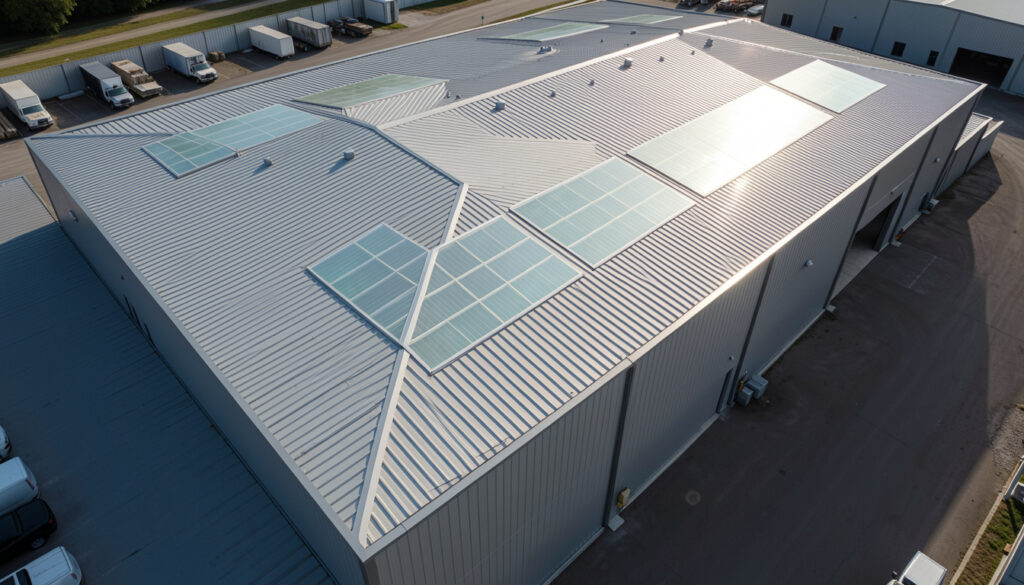
Light transmitting roof panels provide a practical solution by replacing selected opaque roof panels with translucent panels that allow natural light to enter the building.
Butler’s Butlerib II Lite*Panl is made from translucent glass fiber reinforced plastic and is specifically designed to work with the Butlerib II roof system. The panels are form-fitted to the Butlerib profile, allowing daylight to enter while maintaining compatibility with the surrounding metal roof.
Key Takeaways
- Butler light transmitting roof panels are designed for Butlerib II metal roofs.
- The panels are made from high-strength translucent fiberglass.
- They are white in color and form-fitted to the Butlerib II roof profile.
- Light transmitting panels allow natural daylight to enter the building.
- They can reduce dependence on electrical lighting during daylight hours.
- Standard panels are 3 feet wide by 10 feet long.
- Butler lists an average lifespan of approximately 10 years for its light transmitting panels.
- Panels can be ordered with UV protection.
- Safety screens or other acceptable fall-through protection should be used.
- Proper installation is essential for maintaining roof performance and preventing water intrusion.
- Light transmitting roof panels are different from dedicated curb-mounted roof skylights.
- They are particularly useful for large industrial and commercial buildings where natural daylight is desirable.
What Are Light Transmitting Roof Panels?
A light transmitting roof panel is a translucent roof panel that allows daylight to pass through into the interior of a building.
Instead of installing a separate skylight assembly with a curb, the translucent panel becomes part of the roof panel field.
This makes the system particularly useful for metal buildings where the roof system is already based on a specific panel profile.
Butler’s light transmitting roof panels are designed specifically for the Butlerib II metal roof system, with a form-fitted profile intended to match the surrounding roof panels.
The result is a roof assembly that can provide natural illumination while maintaining the overall appearance and configuration of the Butlerib II roof.
How Butler Light Transmitting Panels Work
The basic principle is straightforward.
Selected sections of the opaque metal roof are replaced with translucent fiberglass panels.
When sunlight reaches the roof, the translucent material allows a portion of that light to pass through.
The resulting daylight enters the building below and supplements the artificial lighting system.
The amount of useful daylight depends on:
- Panel quantity
- Panel location
- Roof orientation
- Building height
- Interior layout
- Local climate
- Time of day
- Weather conditions
- Interior finishes
Light transmitting panels should therefore be considered as part of the building’s overall daylighting strategy.
Natural Daylighting for Metal Buildings
The primary purpose of a light transmitting roof panel is to introduce natural light into areas that may otherwise depend entirely on artificial lighting.
This can be especially useful in large buildings where exterior wall windows cannot effectively illuminate the entire interior.
Potential applications include:
- Warehouses
- Manufacturing facilities
- Agricultural buildings
- Workshops
- Equipment storage
- Distribution facilities
- Commercial buildings
- Industrial facilities
Because the light enters from above, daylight can reach deeper into the building than it might through conventional side-wall windows.
Reducing Artificial Lighting Requirements
Natural daylight can supplement electric lighting during daytime hours.
When sufficient daylight reaches the occupied area, a building may be able to reduce the amount of artificial illumination required.
This can potentially reduce electricity consumption associated with lighting.
The actual savings depend on the building’s:
- Lighting design
- Operating schedule
- Occupancy
- Skylight-to-roof ratio
- Daylight availability
- Lighting controls
- Interior layout
Light transmitting panels should therefore be viewed as one component of an energy-efficiency strategy rather than a guaranteed source of energy savings.
Butlerib II Compatibility
One of the most important characteristics of Butler light transmitting roof panels is their compatibility with the Butlerib II roof system.
The panels are form-fitted to the Butlerib roof profile, allowing them to integrate with the surrounding roof panels.
This is particularly important when replacing panels on an existing Butler building.
Roof profiles are not interchangeable simply because two panels may appear visually similar.
The exact existing roof system should be verified before ordering replacement light transmitting panels.
High-Strength Fiberglass Construction
Butler light transmitting panels are made from high-strength fiberglass.
Fiberglass-reinforced plastic is commonly used for translucent building components because it can provide a combination of:
- Light transmission
- Weather resistance
- Structural durability
- Low maintenance
- Lightweight construction
The actual performance depends on the specific panel configuration and environmental exposure.
White Translucent Finish
The Butler light transmitting panels are described as white in color.
The translucent appearance allows sunlight to pass through while diffusing the light entering the building.
This can provide a softer distribution of daylight compared with a completely transparent material.
The goal is not simply to create a clear view through the roof.
Instead, the panel is designed to transmit useful daylight into the interior.
Standard Panel Size
Butler’s current product information lists the standard light transmitting roof panel size as:
3 feet wide × 10 feet long.
The actual number of panels required depends on the building’s roof dimensions and daylighting requirements.
For replacement projects, the existing panel dimensions and installation configuration should be verified before ordering.
UV Protection
Butler light transmitting panels can be ordered with UV protection.
UV protection can be an important consideration because roof panels are exposed to direct sunlight for extended periods.
The appropriate configuration should be selected based on the building’s location, exposure, expected service conditions, and project requirements.
Expected Service Life
Butler currently lists an average lifespan of approximately 10 years for its light transmitting roof panels.
The actual service life can vary depending on factors such as:
- UV exposure
- Weather conditions
- Temperature changes
- Impact
- Maintenance
- Installation quality
- Environmental exposure
This makes periodic inspection particularly important for existing translucent roof panels.
Light Transmitting Panels vs. Roof Skylights
Light transmitting roof panels and roof skylights both provide daylight, but they are different products.
A light transmitting roof panel replaces a section of the roof panel system and follows the roof’s panel profile.
A roof skylight is generally a dedicated glazed assembly installed into a roof opening, often using a curb or frame.
Butler offers both products. Its light transmitting roof panels are designed for Butlerib II roofs, while its roof skylights are constructed to fit specific Butler roof profiles and can be supplied in different configurations.
The appropriate choice depends on the existing roof system, desired daylighting strategy, installation requirements, and project specifications.
Light Transmitting Panels vs. Traditional Metal Roof Panels
Traditional metal roof panels are opaque.
They block sunlight and therefore contribute nothing to natural interior illumination.
Light transmitting panels perform a different function.
They allow a controlled amount of daylight through the roof while occupying a portion of the same roof area that would otherwise contain opaque panels.
A carefully planned combination of opaque and translucent panels can therefore provide both weather protection and natural daylight.
Daylighting in Warehouses
Warehouses can benefit significantly from roof daylighting.
Large storage buildings often have high ceilings and extensive floor areas.
Side-wall windows may provide insufficient illumination toward the center of the building.
Light transmitting roof panels can introduce daylight from above, potentially improving visibility in:
- Storage aisles
- Picking areas
- Packing areas
- Loading areas
- General warehouse space
The location of the panels should be coordinated with racking and storage layouts.
Daylighting in Manufacturing Facilities
Manufacturing facilities often have large open floor areas where natural daylight can improve general visibility.
Light transmitting roof panels can supplement artificial lighting during the day.
However, specialized production tasks may require controlled artificial illumination regardless of daylight availability.
The panels should therefore supplement—not replace—the facility’s primary lighting system.
Daylighting in Agricultural Buildings
Agricultural buildings can also benefit from translucent roof panels.
Applications may include:
- Equipment storage
- Agricultural warehouses
- Workshops
- Farm buildings
- General-purpose agricultural structures
Natural daylight can make daytime operations easier while reducing the need to operate artificial lighting continuously.
For buildings housing animals, however, daylighting and ventilation requirements should be evaluated together.
Daylighting in Workshops
Workshops often require good visibility for maintenance, fabrication, equipment repair, and general work.
Light transmitting panels can provide additional daytime illumination without requiring large wall openings.
This can be particularly useful in buildings where wall space is occupied by:
- Equipment
- Storage
- Doors
- Shelving
- Electrical systems
- Mechanical systems
Roof daylighting can provide illumination without consuming valuable wall space.
Placement of Light Transmitting Panels
Panel placement has a significant effect on daylight distribution.
If all translucent panels are concentrated in one small section of the roof, daylight may be unevenly distributed.
Spreading panels across appropriate areas can provide more consistent illumination.
However, the final arrangement should consider:
- Roof framing
- Structural layout
- Interior equipment
- Building orientation
- Solar exposure
- Existing roof panels
- Maintenance access
For an existing building, panel placement should also account for the current roof condition.
Interior Daylight Distribution
The amount of daylight entering the building is only part of the equation.
Interior surfaces also influence how effectively that light is distributed.
Light-colored ceilings and walls can reflect more daylight into the occupied space.
Dark finishes absorb more light.
The building’s interior layout should therefore be considered when evaluating the potential benefit of translucent roof panels.
Weather Performance
Because light transmitting panels are part of the roof system, they must maintain the roof’s ability to resist weather.
Water can enter around:
- Panel laps
- Fasteners
- Seams
- Damaged edges
- Improperly installed closures
Proper installation is essential.
A translucent panel should not be treated as a simple piece of plastic inserted into the roof.
It is a roof component that must integrate correctly with the surrounding Butlerib II panels.
Safety Considerations
A translucent roof panel should never automatically be assumed to be walkable.
A person falling through a roof panel can suffer serious injury or death.
Butler’s current product information recommends that all light transmitting panels have safety screens or other acceptable safety controls to prevent fall-through.
This is especially important for buildings where workers regularly access the roof.
Roof-access procedures and fall-protection requirements should always be followed.
Safety Screens
Safety screens can be installed underneath or above the light transmitting panel to help prevent fall-through.
The exact protection method should be selected according to the applicable safety requirements and project configuration.
A safety screen should not be considered a substitute for proper roof-access procedures.
Workers should still follow applicable fall-protection requirements when working on or near the roof.
Light Transmitting Panels and Heat
Translucent roof panels allow sunlight into the building.
That means they can also introduce solar heat.
The impact depends on:
- Panel area
- Solar exposure
- Climate
- Building orientation
- Interior temperature requirements
- HVAC system
- Panel characteristics
A daylighting design should therefore balance the benefit of natural illumination against potential solar heat gain.
Light Transmitting Panels in Conditioned Buildings
For air-conditioned or heated buildings, daylighting should be evaluated as part of the building-envelope design.
The panel’s thermal characteristics can affect the overall roof assembly.
In conditioned spaces, consider:
- Insulation
- Air sealing
- Vapor control
- Solar heat gain
- HVAC loads
- Interior humidity
The correct balance depends on the building’s location and use.
Replacing Damaged Light Transmitting Panels
Older translucent roof panels can deteriorate over time.
Common signs include:
- Cracking
- Yellowing
- Clouding
- Brittleness
- Surface deterioration
- Water leakage
- Damaged fasteners
- Broken edges
Replacing deteriorated panels can restore daylight transmission and help maintain the roof’s weather-tight condition.
Measuring Existing Light Transmitting Panels
Before ordering replacement panels, document the existing installation.
Measure:
- Panel width
- Panel length
- Rib profile
- Panel overlap
- Fastener locations
- Roof slope
- Adjacent roof panel type
- Safety screen configuration
Photographs of the existing roof can also help confirm the required profile.
Matching the Butlerib II Roof Profile
The profile is one of the most important details when replacing a light transmitting roof panel.
A panel that has the wrong rib configuration may not properly match the surrounding metal roof.
This can create problems with:
- Panel alignment
- Fastener placement
- Weather-tightness
- Structural fit
- Appearance
Confirm the existing roof system before ordering.
Water Leaks Around Light Transmitting Panels
Water leakage is one of the most common problems associated with deteriorated or improperly installed roof panels.
Potential causes include:
- Failed sealants
- Loose fasteners
- Damaged panel edges
- Improper overlap
- Incorrect panel profile
- Deteriorated surrounding metal panels
The entire surrounding roof area should be inspected rather than assuming the translucent panel itself is always the source of the leak.
Cleaning Light Transmitting Panels
Dirt and debris can reduce the amount of daylight entering the building.
Dust, pollen, leaves, bird droppings, and other contaminants can accumulate on the exterior surface.
Cleaning should be performed using methods appropriate for the panel material.
Avoid aggressive cleaning techniques that could scratch or damage the translucent surface.
Common Problems With Light Transmitting Roof Panels
Cracking
Impact, aging, thermal movement, or weather exposure can cause cracks in the translucent material.
Yellowing
Long-term UV exposure can change the appearance and light-transmission characteristics of older panels.
Clouding
Surface deterioration and accumulated dirt can reduce daylight transmission.
Water Leakage
Failed fasteners, seals, overlaps, or damaged panels can create pathways for water intrusion.
Brittleness
Older fiberglass panels can become more fragile over time, increasing the risk of cracking during maintenance.
Damaged Fasteners
Loose or deteriorated fasteners can compromise the panel connection and contribute to leaks.
Incorrect Profile
A replacement panel with the wrong Butlerib profile may not integrate correctly with the surrounding roof.
Missing Safety Screen
A translucent roof panel without appropriate fall-through protection can create a serious roof-access hazard.
Signs Your Light Transmitting Roof Panels Need Replacement
Consider inspecting or replacing existing panels when you notice:
- Significant discoloration
- Cracking
- Cloudiness
- Brittleness
- Water leaks
- Broken edges
- Loose fasteners
- Reduced daylight
- Deteriorated safety screens
Because Butler lists an average lifespan of approximately 10 years for its light transmitting panels, older installations should be periodically evaluated for deterioration.
Maintaining Light Transmitting Roof Panels
Routine inspection can help extend the useful performance of the roof system.
Inspect:
- Translucent panels
- Fasteners
- Panel laps
- Sealants
- Safety screens
- Adjacent metal panels
- Roof penetrations
Keep the panel surface reasonably clean and address damage promptly.
Roof maintenance should always be performed using appropriate fall-protection procedures.
Things to Know
- Butler light transmitting roof panels are designed for Butlerib II metal roofs.
- The panels are made from high-strength translucent fiberglass.
- They are form-fitted to the Butlerib II roof profile.
- The standard listed size is 3 feet wide by 10 feet long.
- Butler lists an average lifespan of approximately 10 years.
- UV protection is available as an option.
- Safety screens or other acceptable fall-through protection should be used.
- Light transmitting panels can reduce dependence on artificial lighting during daylight hours.
- They are different from curb-mounted roof skylights.
- Proper panel profile matching is critical when replacing existing panels.
- Fasteners, laps, closures, and sealants must be properly installed to maintain weather-tightness.
- Translucent panels should never automatically be considered walkable.
Frequently Asked Questions
Q: What are Butler light transmitting roof panels?
They are translucent fiberglass roof panels designed to allow natural daylight into a Butlerib II metal building.
They replace selected opaque roof panels while matching the Butlerib II roof profile.
Q: What roof system are Butler light transmitting panels designed for?
They are designed for the Butlerib II metal roof system.
Q: What are Butler light transmitting panels made from?
They are made from high-strength translucent fiberglass.
Q: What size are Butler light transmitting roof panels?
The current product information lists them as 3 feet wide by 10 feet long.
Q: How long do Butler light transmitting panels last?
Butler currently lists an average lifespan of approximately 10 years.
Actual service life can vary depending on weather, UV exposure, installation, maintenance, and environmental conditions.
Q: Can Butler light transmitting panels have UV protection?
Yes.
UV protection is available as an option.
Q: Do light transmitting roof panels reduce energy costs?
They can reduce the amount of artificial lighting required during daylight hours.
The actual energy savings depend on the building’s lighting system, operating schedule, daylight availability, and lighting controls.
Q: Can you walk on a light transmitting roof panel?
Do not assume that a light transmitting panel is walkable.
Butler recommends safety screens or other acceptable safety controls to prevent fall-through.
Q: What is the difference between a roof skylight and a light transmitting roof panel?
A light transmitting roof panel is integrated directly into the roof panel system, while a roof skylight is a separate glazed assembly typically installed through a framed roof opening.
Q: Can light transmitting panels be used to replace old Butler roof panels?
Yes, when the replacement panel is properly matched to the existing Butlerib II roof profile and installation configuration.
Q: Why are my light transmitting panels turning yellow?
Long-term UV exposure and aging can cause discoloration in translucent roof materials.
Significant yellowing can reduce daylight transmission and may indicate that replacement should be considered.
Q: How do I order replacement Butler light transmitting panels?
Provide the existing roof system, panel dimensions, Butlerib profile, roof slope, and photographs of the existing installation when requesting a replacement.
The Bottom Line on Butler Light Transmitting Roof Panels
Butler light transmitting roof panels provide a straightforward way to introduce natural daylight into Butlerib II metal buildings without relying entirely on artificial lighting.
Made from high-strength translucent fiberglass and form-fitted to the Butlerib II roof profile, these panels can be used in warehouses, manufacturing facilities, agricultural buildings, workshops, and other commercial or industrial structures.
The current standard offering is 3 feet wide by 10 feet long, with UV protection available as an option. Butler lists an average lifespan of approximately 10 years, making periodic inspection important for existing installations.
For replacement projects, verify the Butlerib II roof profile, panel dimensions, fastener configuration, and surrounding roof condition before ordering. Safety is equally important: translucent roof panels should not be treated as walkable surfaces, and appropriate fall-through protection should be provided.
Need replacement Butler light transmitting roof panels? Request a Quote and provide your existing panel dimensions, roof profile, and photos of the installation.